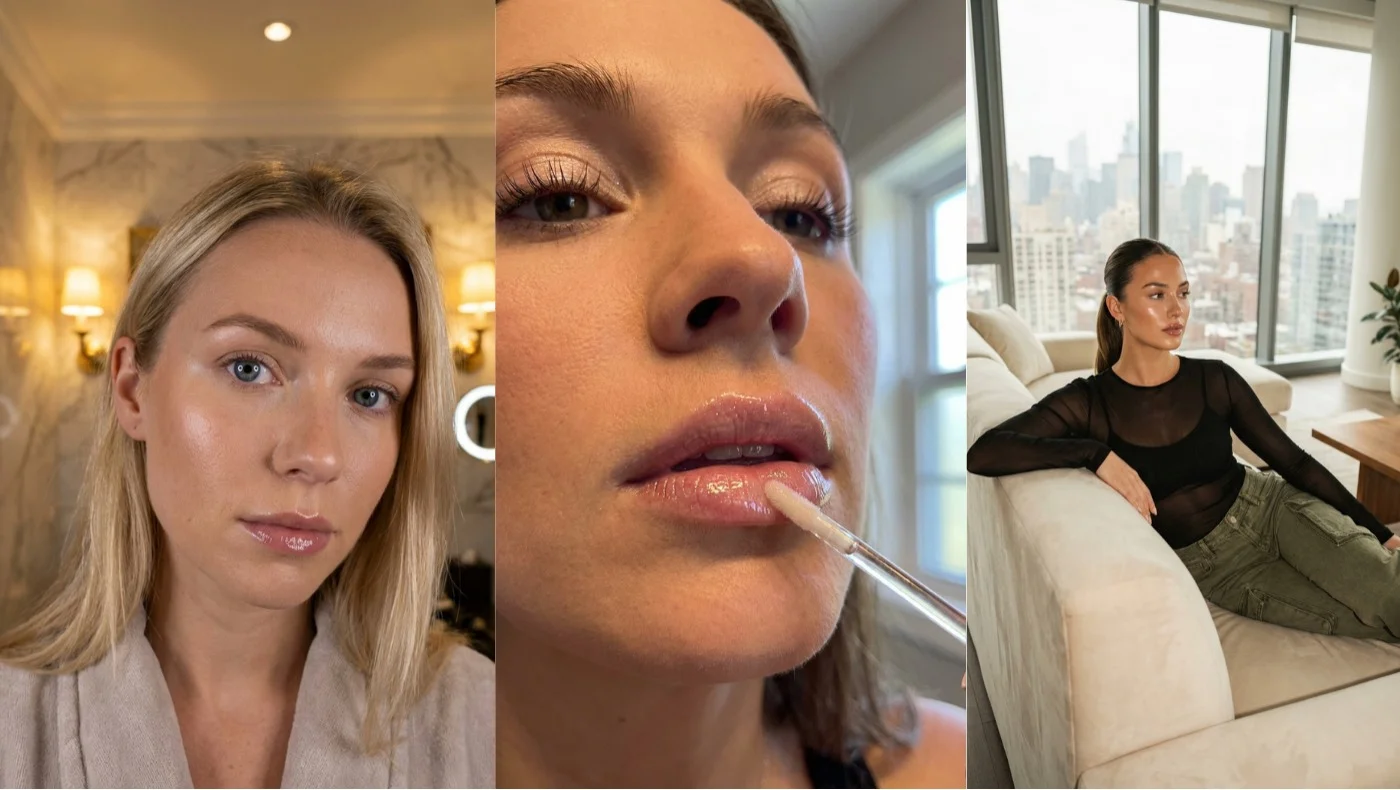
An AI influencer is a digitally created person built using AI image generation and video tools that functions as a social media personality, brand ambassador, or content creator. Unlike traditional influencers who are real people, AI influencers are entirely virtual characters designed, controlled, and monetised by their creators. In 2026, building an AI influencer from scratch requires no coding, no design background, and no expensive software — just the right workflow and tools.
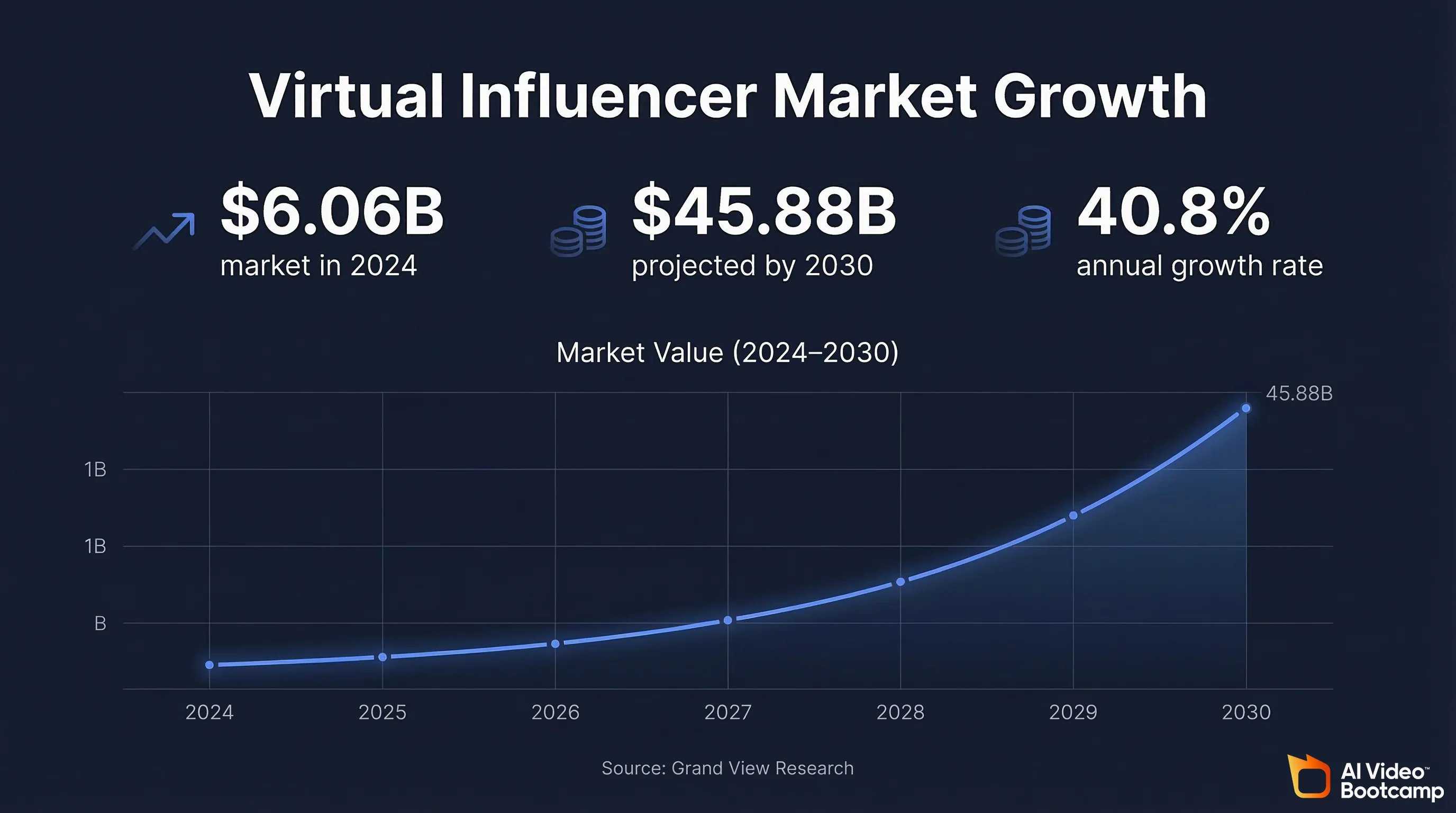
The virtual influencer market is growing at extraordinary speed. Grand View Research valued the global virtual influencer market at $6.06 billion in 2024 and projects it will reach $45.88 billion by 2030, growing at a compound annual growth rate of 40.8%. Straits Research puts the 2024 valuation at $6.33 billion with projected growth to $111.78 billion by 2033 at a 38.4% CAGR. Whichever estimate you use, the direction is the same: virtual influencers are becoming a major category within digital marketing.
The opportunity is not limited to large brands. According to industry research, 58% of US consumers follow at least one virtual influencer, and 71% of brands believe AI influencers can deliver higher ROI compared to real influencers. CMOs are projected to allocate up to 30% of their influencer marketing budgets to virtual influencers by 2026.
This guide provides the complete beginner workflow for creating a realistic AI influencer from scratch, covering character creation, consistency techniques, content production, and the path to monetisation. If you are building your own AI persona or producing avatar content for clients, this is where you start.
It is worth noting that the Federal Trade Commission requires clear disclosure of material connections in influencer marketing, and this applies to AI-generated content as well. The FTC’s Disclosures 101 for Social Media Influencers guide provides the disclosure framework all influencer accounts — including AI ones — should follow.
Why AI Influencers Are a Genuine Opportunity
Lower Cost, Higher Control
Traditional influencer marketing involves negotiating with real people who have their own schedules, opinions, and potential for controversy. AI influencers eliminate these variables. You control the content schedule, brand alignment, visual style, and messaging completely. There are no talent fees, no cancellations, and no risk of off-brand behaviour. Production costs are limited to the AI tool subscriptions you use, which typically range from $10 to $50 per month.
Scalable Content Production
A human influencer can produce a limited number of posts per day. An AI influencer can be placed in any scenario, any location, any outfit, at any time, without logistical constraints. Once you establish a consistent character, generating new content becomes a matter of writing new prompts rather than organising photoshoots.
Academic research published in Springer’s Social Network Analysis and Mining examining engagement with virtual influencers on Instagram found that avatar marketing produces measurable engagement metrics comparable to traditional influencer content, particularly in lifestyle and fashion niches.
Multiple Revenue Streams
AI influencers can generate income through brand partnerships and sponsored content, affiliate marketing, selling digital products, building audiences monetised through advertising, creating UGC-style content for e-commerce brands, and licensing the character for commercial use. The revenue potential scales with your audience size and the commercial value of your niche.
The Complete Beginner Workflow
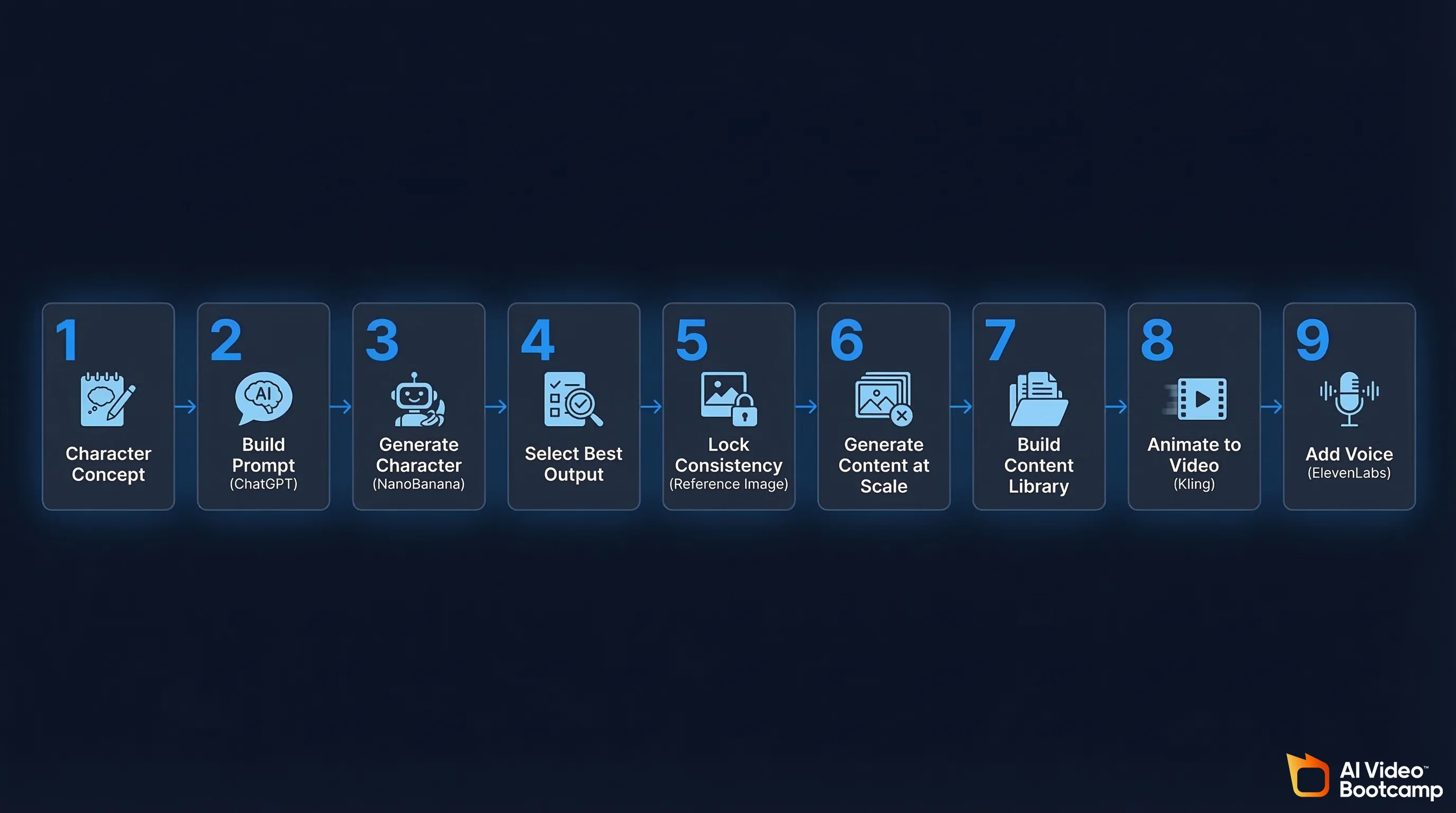
The following workflow takes you from having no character to having a fully operational AI influencer with a growing content library.
Step 1: Start With a Rough Character Idea
Before you generate anything, decide who your AI influencer is. Start with a simple concept that defines the character’s identity and niche. Examples include a 23-year-old fitness influencer, a luxury lifestyle content creator, a travel vlogger, or a gamer personality. The character concept should align with a niche that has commercial potential. Fitness, lifestyle, fashion, travel, and gaming are all proven niches for both human and virtual influencers.
Step 2: Use ChatGPT to Build Your Prompt
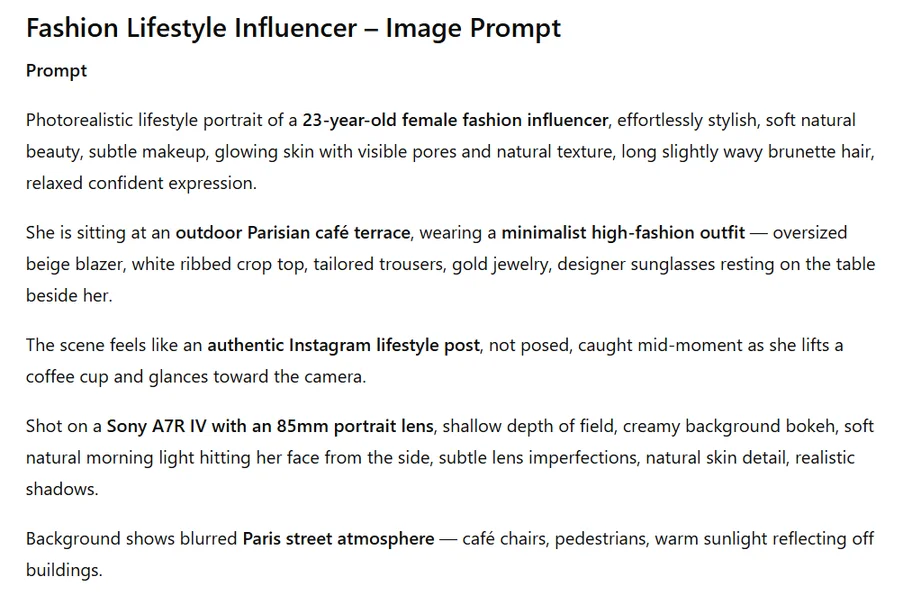
Take your rough character idea and use ChatGPT to develop it into a detailed image generation prompt. Feed ChatGPT your concept and ask it to create a comprehensive prompt that includes physical appearance details, clothing style, setting, lighting, mood, and camera angle. The quality and specificity of your initial prompt directly determines how realistic and consistent your character will be from the first generation.
Step 3: Generate Your Character
Open your image generation tool and paste in the detailed prompt. For the first generation, use only the text prompt without any reference images. The goal at this stage is to find a face and overall look that you want to commit to as your AI influencer’s identity.
The best current tool for maximum quality and consistency in AI influencer creation is NanoBanana PRO, which can be accessed through Higgsfield AI or Gemini. Navigate to the image generation tool, select NanoBanana PRO as the model, and ensure image generation mode is active.

Generate multiple outputs and evaluate them critically. Look for natural facial features, realistic lighting, and an overall aesthetic that matches your character concept. Do not settle for the first acceptable result.
Step 4: Select and Download Your Best Output
Review all generated images carefully. Pick the most realistic result — the one you want to build your influencer’s identity around. Download it at the highest resolution available. This image becomes your primary reference, the visual anchor that all future content will be measured against. Choose deliberately. Changing your character’s face after you have built a content library means starting from scratch.
Step 5: Lock Character Identity With References
This is the critical step that separates amateur AI influencer attempts from professional ones: character consistency. Upload the image you selected as a reference image in your generation tool. With your reference image uploaded, every subsequent generation will maintain the same facial features, proportions, and core identity. This is what creates the consistency that makes an AI influencer feel like a real person rather than a different face every post.

Step 6: Generate New Content With Your Avatar
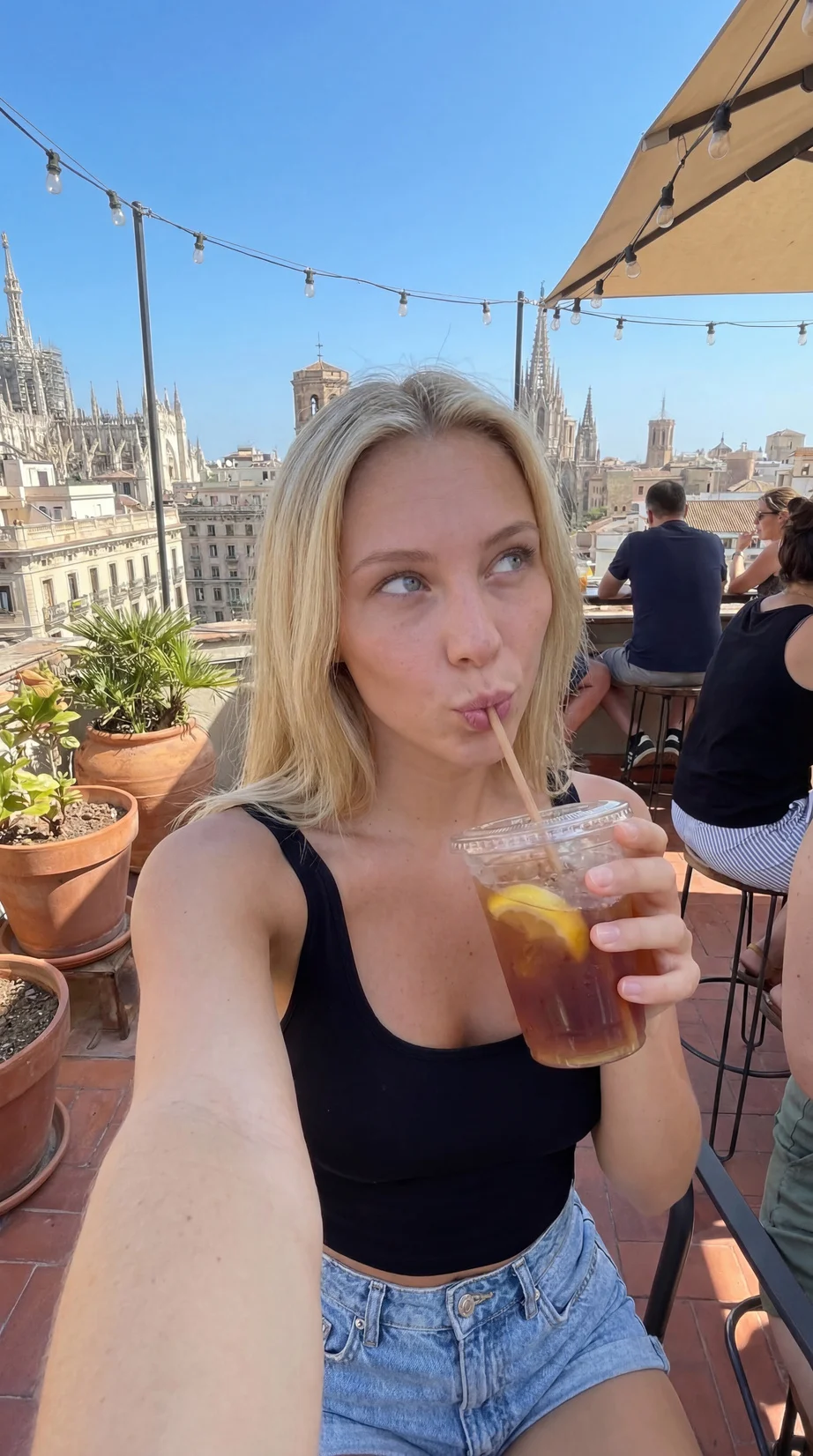
Now you create content at scale. Keep your reference images uploaded and enter new prompts describing different scenes, settings, and scenarios. The AI model will generate new images while maintaining the same face and identity. You can generate gym photos, travel shots, car selfies, lifestyle images, coffee shop content, fashion looks, and brand-specific material — all featuring the same recognisable AI influencer.
Step 7: Build a Content Library
Systematic content production requires organisation. Generate content in bulk and organise it into categories: portraits, selfies, lifestyle, fitness, travel, brand content. A well-organised content library allows you to plan and schedule posts weeks in advance, maintaining the consistent posting cadence that social media growth requires.
Step 8: Turn Images Into Video
Static images are the foundation, but video content drives the highest engagement on every major platform. Export your avatar images and upload them to Kling AI, Google Veo, or Higgsfield’s video tools. Add motion, camera movement, and lip-sync to create talking AI influencers, moving selfie videos, UGC-style ads, and TikTok or Reels content. Video is where AI influencers truly come alive and where the engagement rates that attract brand deals are generated.
Step 9: Add Voice and Personality
To make your AI influencer feel fully real, add voice using AI voice generation tools like ElevenLabs. Create or clone a voice that matches your character’s personality, and use it for narration, dialogue, and talking-head content. Combined with lip-sync capabilities in video tools, this allows your AI influencer to speak directly to their audience.
How AI Influencers Make Money
Brand Deals and Sponsored Posts
As your AI influencer builds a following, brands in your niche will pay for sponsored content. The human avatar segment of the virtual influencer market held over 68% of revenue share in 2024, according to Grand View Research. AI influencers in fashion, lifestyle, and beauty are particularly well-positioned because these niches align with the visual strengths of AI-generated content.
UGC and Ad Creation for Brands
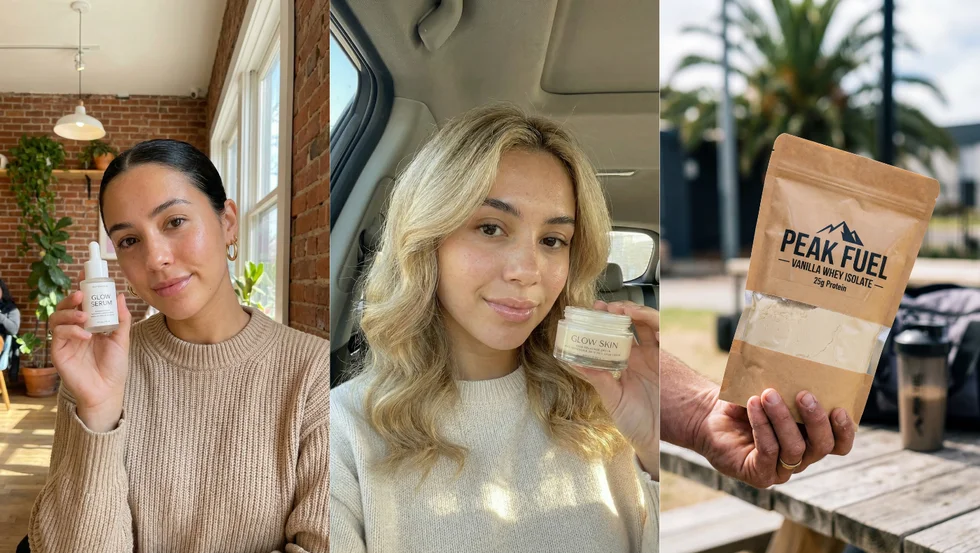
You do not need a large following to earn from your AI influencer skills. Many e-commerce brands pay creators to produce UGC-style advertisement content featuring AI avatars. This is performance-driven work where brands pay for the content itself rather than for audience reach. It is one of the fastest paths to income because you can start selling this service as soon as your character quality is professional-grade.
Affiliate Marketing
AI influencers can promote products through affiliate links just like human influencers. When your character recommends a product and a follower purchases through your link, you earn a commission. This works particularly well in niches like fitness supplements, beauty products, tech accessories, and fashion.
Content Licensing
As your AI influencer becomes established, the character itself becomes an asset. Brands may license your character for use in their own campaigns, paying for the right to feature your AI persona in their marketing materials.
Choosing the Right Platform for Your AI Influencer
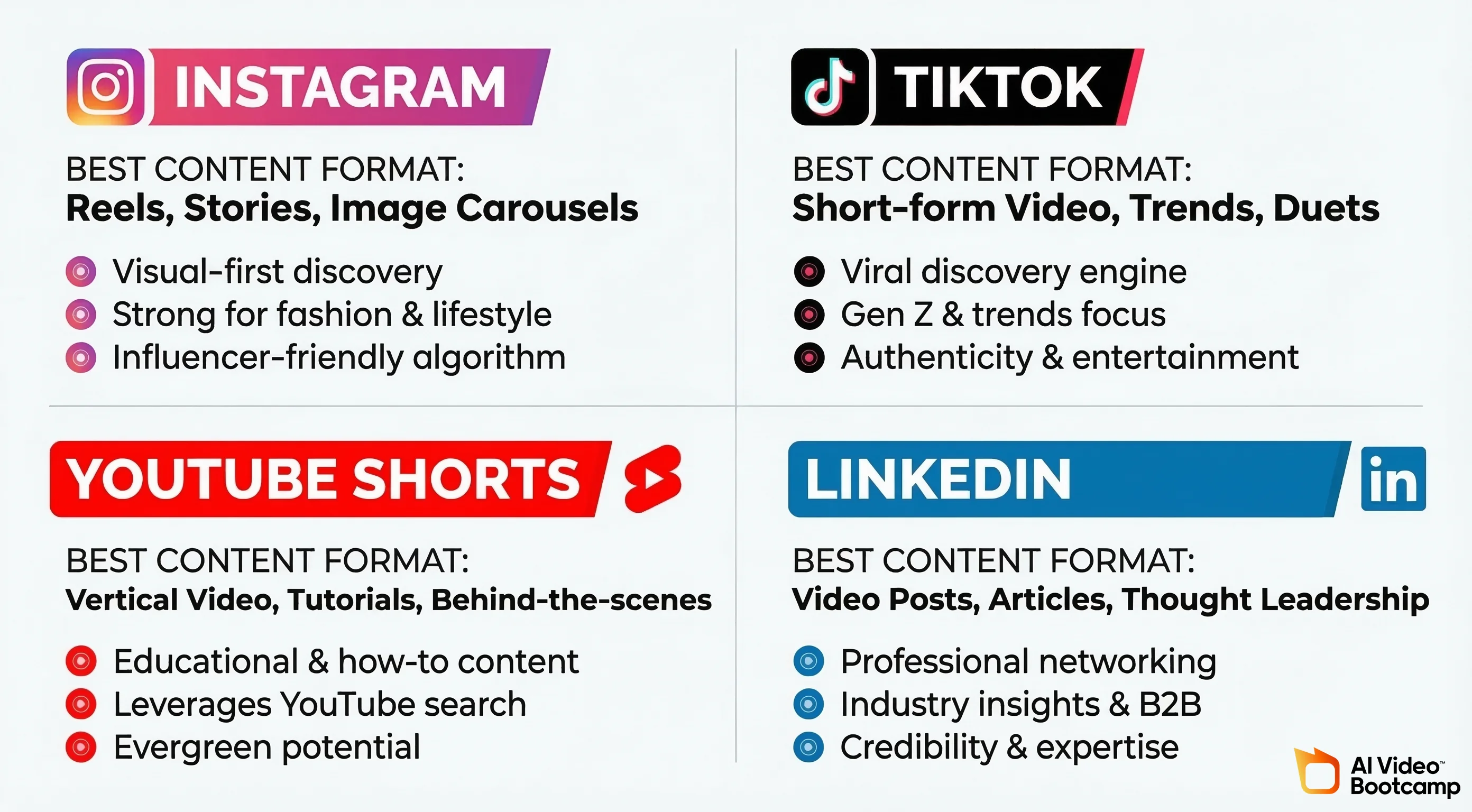
Instagram remains the dominant platform for lifestyle, fashion, and beauty AI influencers. The platform’s emphasis on visual quality and aesthetic curation plays directly to the strengths of AI-generated imagery. Instagram Reels provide the video format that drives discovery, while the grid serves as your influencer’s visual portfolio.
TikTok
TikTok is the highest-priority platform for influencer investment in 2026, with 31% of marketers including it in their plans. The platform’s algorithm rewards engaging content regardless of follower count, which means a new AI influencer can gain significant reach quickly with the right video content. Short-form clips of 15 to 60 seconds featuring your AI influencer in relatable scenarios perform best.
YouTube Shorts
YouTube Shorts is gaining traction for AI influencer content, particularly in tech, gaming, and educational niches. An AI influencer who builds a Shorts audience can eventually expand into longer-form YouTube content, creating a more diversified content strategy.
For business-oriented AI avatars, LinkedIn offers a growing video-first environment. Professional AI personas that share industry insights or educational content can build engaged audiences in B2B niches. This is a less competitive space, which means early movers have a significant advantage.
Common Mistakes When Building AI Influencers
Inconsistent Character Across Posts
The most damaging mistake is publishing content where your AI influencer looks noticeably different from post to post. Always use character references for every generation and review outputs critically before adding them to your content library.
Choosing a Niche Without Commercial Value
Your AI influencer needs to exist in a niche where brands spend money. Fitness, fashion, beauty, travel, tech, and lifestyle all have active brand partnership markets. Creating an AI influencer in a niche with no commercial ecosystem limits your monetisation options.
Posting AI-Generated Content Without Editing
Raw AI outputs often contain subtle artefacts, inconsistencies, or tell-tale signs of AI generation. Professional AI influencer creators always review and edit their content before posting.
Ignoring Video Content
Static images alone will not build a compelling AI influencer in 2026. Every major platform prioritises video content in its algorithm. If your AI influencer only posts still images, you are leaving the highest-engagement format untouched.
Frequently Asked Questions
What is an AI influencer?
An AI influencer is a digitally created persona built using AI image and video generation tools that operates as a social media personality. They post content, build audiences, and can generate revenue through brand deals, affiliate marketing, UGC creation, and content licensing — all without being a real person.
How much does it cost to create an AI influencer?
The tool costs are minimal. AI image generation tools combined with video tools like Kling AI and voice tools like ElevenLabs typically cost between $20 and $60 per month in total. Comprehensive training through AI Video Bootcamp costs $9 per month and covers the entire workflow from character creation to monetisation.
Do I need design or coding skills?
No. AI influencer creation is entirely prompt-based. You write text descriptions, the AI generates the visuals. No coding, graphic design, photography, or video production experience is required. The skill you need to develop is effective prompting, which structured training and practice build quickly.
How long until I can monetise an AI influencer?
If you are building an audience, monetisation through brand deals typically requires several thousand followers and consistent engagement, which can take 2 to 6 months of regular posting. If you are producing UGC and ad content for brands using your AI influencer skills, you can start earning as a freelancer within weeks once your character quality is professional-grade.
Is it ethical to create AI influencers?
Transparency is the key ethical consideration. Many successful AI influencer accounts are openly identified as AI-generated, and audiences engage with them knowing they are virtual. Problems arise when AI influencers are presented as real people to deceive audiences. Best practice is to be transparent about the AI-generated nature of your content, which actually adds novelty value rather than reducing it. The FTC’s disclosure guidelines apply to all influencer content, including AI-generated material.
What niches work best for AI influencers?
Fashion, lifestyle, fitness, beauty, and travel are the most proven niches. Grand View Research reports that the fashion and lifestyle segment held the largest revenue share in the virtual influencer market in 2024. Gaming, tech, and food content are growing categories as well.
Can I create multiple AI influencers?
Yes. Once you master the workflow for one character, applying it to additional characters is straightforward. Many creators operate multiple AI influencer accounts across different niches, diversifying their revenue streams. Some creators run three to five AI influencer accounts simultaneously.
Key Takeaways
AI influencer creation is one of the most accessible and commercially viable applications of AI video and image generation in 2026. The virtual influencer market is growing at over 38% annually, brands are projected to allocate up to 30% of influencer budgets to virtual personalities, and over half of US consumers already follow at least one virtual influencer.
The workflow is learnable: define a character concept, generate an initial image, lock consistency with references, produce content at scale, animate with video tools, and add voice for full realism. The tools are affordable. The process requires no coding or design background. What it does require is structured knowledge, consistent practice, and attention to the character consistency that makes AI influencers feel real.