
What Ideogram 4.0 Is, In One Paragraph
Ideogram 4.0 is the first frontier-grade open-weight text-to-image foundation model from Ideogram AI, released June 3, 2026. It is a 9.3 billion parameter single-stream Diffusion Transformer trained from scratch with flow matching, paired with a frozen Qwen3-VL-8B-Instruct vision-language model as text encoder. It generates at native 2048 pixels per side, accepts a structured JSON layout schema with bounding-box coordinates and hex color palettes, and scores 0.97 on the X-Omni English OCR benchmark for in-image text accuracy. It ranks first among open-weight models on the Arena.ai text-to-image leaderboard and holds first place on Design Arena with a roughly 115-point ELO lead over the next open-weight model. The inference code is Apache 2.0. The weights are not. Operators planning revenue work need to read the license section before they download anything.
Why This Release Matters
Ideogram has been the operator favorite for in-image text rendering since V1 in February 2024. Versions 2.0, 3.0, and 3.0 Quality iterated on a closed diffusion stack and kept the typography lead while every other True Model in the image space (Flux 2 Pro, Nano Banana Pro, GPT Image 2.0, Seedream 4.0, Midjourney V8.1, Recraft V3) closed in on photoreal quality. The V3 to V4 transition in June 2026 is the largest architectural change in Ideogram’s history. V4 is a from-scratch foundation model on a different architecture, with public weights and a vision-language text encoder. It is also the first time Ideogram has shipped weights publicly while keeping the model live on the platform and the API on day one. The press wording calls it “the first frontier-grade open-weight text-to-image foundation model,” and on the Arena.ai and Design Arena leaderboards that claim holds.
The founder credentials anchor the credibility story. CEO Mohammad Norouzi was a Senior Staff Research Scientist at Google Brain and the lead on the original Imagen paper. Co-founder Jonathan Ho is first author on the seminal Denoising Diffusion Probabilistic Models paper that underpins essentially every modern diffusion image model. Co-founders William Chan and Chitwan Saharia are also ex-Google Brain Imagen authors. The cap table includes named angel checks from Andrej Karpathy (founding member of OpenAI) and Jeff Dean (Google Senior Fellow and Google DeepMind Chief Scientist), in addition to lead institutional investors Andreessen Horowitz and Index Ventures. Headcount is approximately 57 people. That is a small team running a closer continuous tenure on diffusion-based text-to-image than the Stability AI, Black Forest Labs, or Midjourney founding teams.
Architecture: Why the Qwen3-VL-8B Encoder Changes Everything
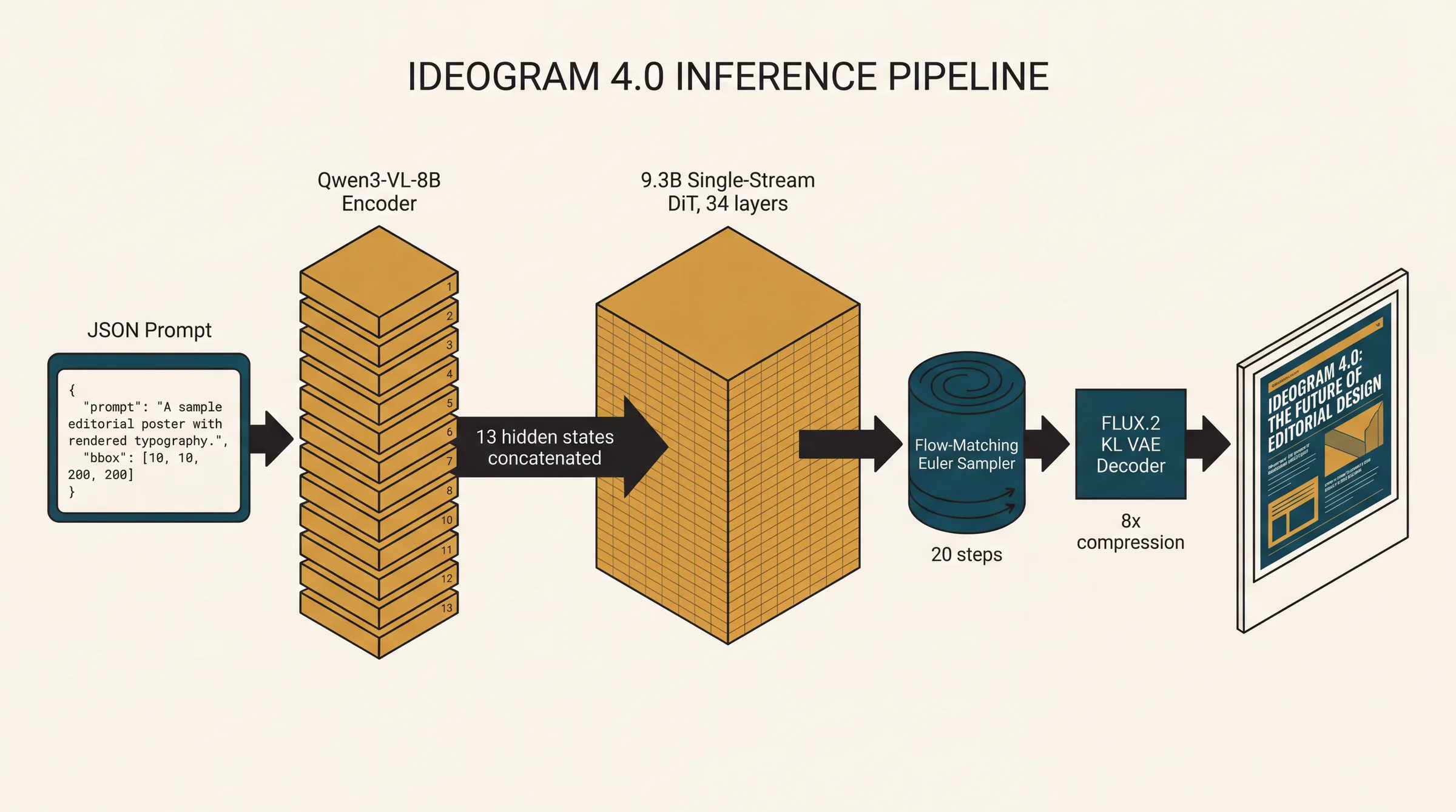
The Hugging Face model card states the core architecture clearly. Ideogram 4.0 is a flow-matching text-to-image model built on a fully single-stream Diffusion Transformer. The DiT carries 9.3 billion trainable parameters across 34 transformer blocks, an embedding dimension of 4608, 18 attention heads, and a 12,288-parameter SwiGLU multilayer perceptron. Each block uses self-attention with QK-RMSNorm, 3D Multimodal Rotary Positional Embeddings that place text tokens and image tokens in a single shared positional frame, SwiGLU MLPs, and adaptive layer normalization modulated by the flow-matching timestep. Text and image tokens are concatenated into one unified sequence and processed through the same 34 layers with no separate text or image branches. That is the meaning of single-stream, and it is the architectural reason the model maintains spatial coherence between rendered text and surrounding objects across multi-line, multi-font layouts.
The text encoder choice is unique among open-weight image models. Instead of CLIP or T5, Ideogram 4.0 uses Alibaba’s Qwen3-VL-8B-Instruct in text-only mode, frozen. The Diffusion Transformer extracts hidden states from 13 intermediate layers of Qwen3-VL and concatenates them along the feature dimension. The bet is that a vision-language model pretrained on image-text pairs grounds visual descriptors (isometric, bokeh, Pantone 286) better than a text-only encoder. The model card claims Qwen3-VL handles 32 distinct language scripts efficiently, which is the direct reason Ideogram 4.0 is the strongest open-weight choice for multilingual typography work.
Sampling uses a flow-matching Euler scheduler with asymmetric classifier-free guidance: text tokens drop completely during the unconditional pass rather than being padded. The decoder is a frozen FLUX.2 KL autoencoder that unpatches 2x2 latent tokens to RGB output with 8x spatial compression. The model trained exclusively on structured JSON captions, which is what enables the schema-driven prompting interface described later in this guide.
The License Trap
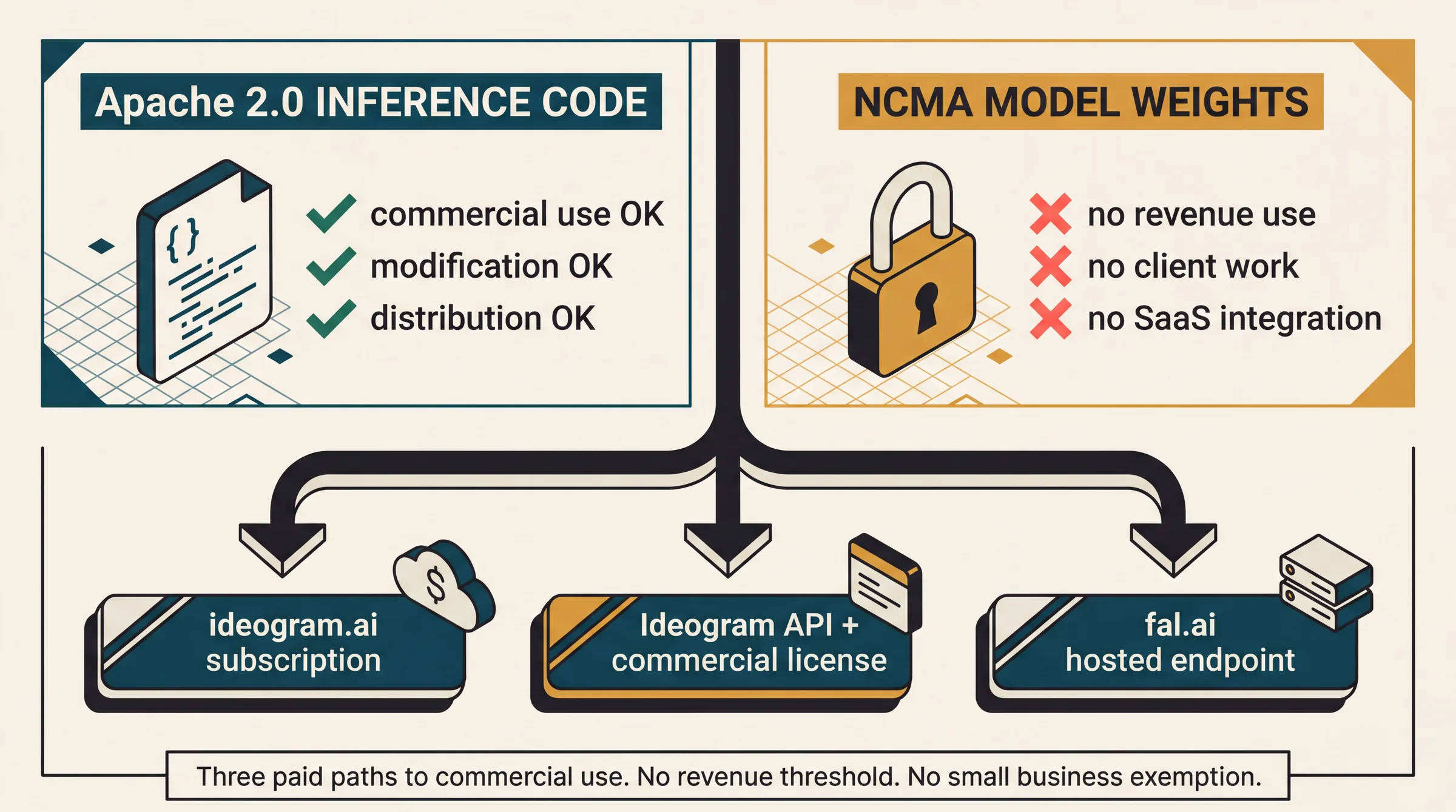
This is the load-bearing fact for any operator considering a revenue use of Ideogram 4.0. The release ships under a split license. The inference code at github.com/ideogram-oss/ideogram4 is Apache 2.0. The model weights at huggingface.co/ideogram-ai/ideogram-4-nf4 and huggingface.co/ideogram-ai/ideogram-4-fp8 are governed by the Ideogram Non-Commercial Model Agreement (NCMA), dated June 3, 2026, governed by New York law.
Several launch-week blog posts called the entire release “open source.” That framing is wrong. The weights are source-available under a non-commercial agreement. The NCMA Section 1(d) defines “Non-Commercial Purposes” in four parts: (i) use that does not directly or indirectly generate revenue and is not otherwise intended for or directed towards commercial advantage or monetary compensation, (ii) use by a for-profit entity solely for testing, evaluation, or research and development in a non-production environment, (iii) personal use for research, experimentation, testing purposes as part of a personal study, private entertainment or hobby project, or (iv) use by a charitable organization for charitable purposes. The agreement explicitly carves out the operator-relevant commercial case: “any use that involves generating Output to include in, or to advertise or promote, revenue-generating products or services, in each case, is not a Non-Commercial Purpose.”
There is no revenue threshold. LTX-2’s Community License permits commercial use up to roughly $10M in revenue. Stable Diffusion’s older community licenses allowed up to $1M. Ideogram’s NCMA contains zero revenue-threshold language. A solo creator producing a $200 logo for a client sits in the same compliance bucket as a Fortune 500 brand: both need a paid commercial path. There is no small-business carve-out.
Three paid paths cover revenue use. The ideogram.ai consumer subscription includes commercial rights on every paid tier (Basic, Plus, Pro, Team, Enterprise). The Ideogram developer API at developer.ideogram.ai grants commercial use under its standard terms, with a bespoke commercial license available for fine-tuning and self-hosted production deployment. The fal.ai hosted endpoint carries fal.ai’s enterprise license with Ideogram, so generated content from that endpoint is permitted for commercial use under fal.ai’s terms.
IP indemnification is a separate question and operators should not assume the three commercial paths solve it. The NCMA Section 8 indemnification flows FROM operator TO Ideogram. The ideogram.ai Terms of Service and Ideogram API Terms of Service both flow indemnification from user to Ideogram, with no published IP-infringement indemnity flowing back to the customer. The fal.ai Terms of Service explicitly require the customer to indemnify fal.ai for third-party IP claims and disclaim warranty of non-infringement on Output Content. Operators wanting an indemnity flowing TO them (the way OpenAI’s Copyright Shield covers ChatGPT API customers, and Google Cloud’s Generative AI Indemnification covers Vertex AI Imagen and Nano Banana Pro customers) need to negotiate it into a bespoke Ideogram commercial license. That is the load-bearing compliance detail and the single sharpest editorial difference between Ideogram and the closed-source frontier image labs.
The JSON Layout Format
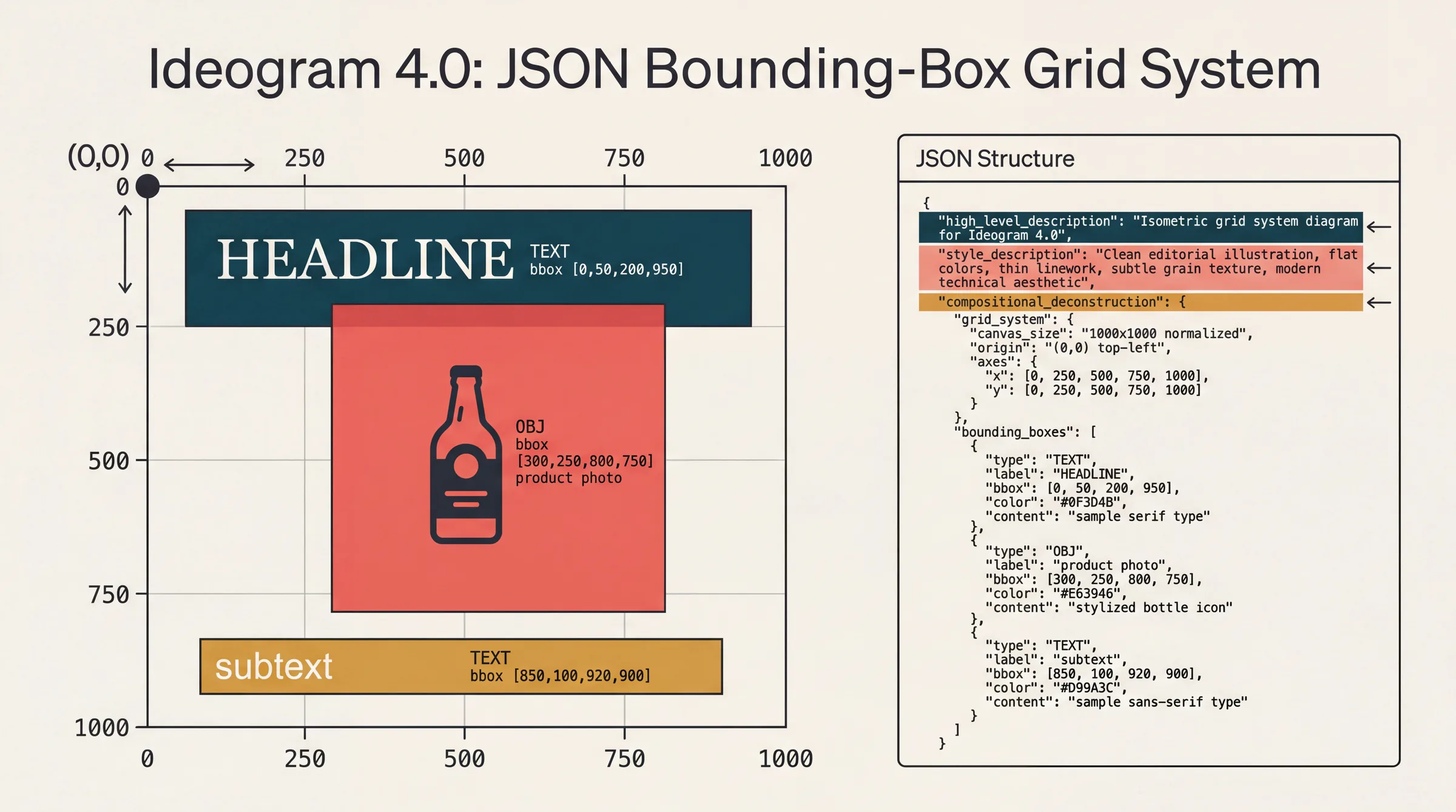
Ideogram 4.0 was trained exclusively on structured JSON captions. Plain-text prompts work through the hosted Magic Prompt expander, which rewrites the prose into a JSON object before generation. Power users get tighter control by writing the JSON directly. The schema has three top-level keys.
The first is high_level_description, a one or two sentence overview of the image. It is optional but strongly recommended because it grounds the encoder before the spatial layout parser runs.
The second is style_description, an object containing aesthetics, lighting, photo, medium, and color_palette. The API requires aesthetics, lighting, photo, and medium as string fields. The color_palette accepts up to 16 uppercase hex colors in #RRGGBB format and conditions the dominant colors of the output.
The third is compositional_deconstruction, which contains a background string and an array of elements. Each element carries: type (one of text, obj, logo, illustration, photograph, panel), bbox (four integers on a 0 to 1000 normalized grid as [y_min, x_min, y_max, x_max] with origin at top-left), an optional description for non-text elements, an optional text literal string to render, an optional text_style natural-language description of typography styling, and an optional element-level color_palette of up to 5 hex colors.
The trick that no other True Model in the image space exposes is the separation between text and style inside each text element. text is the literal glyph string to render. style is a free-form prose description of how those glyphs should look. That separation is what makes mixed-font, multi-line, mixed-script layouts reliable on Ideogram 4.0 in a way Flux 2 Dev, Qwen-Image 2.0, and HiDream cannot match.
A worked example for a branded product card looks like this:
{
  "high_level_description": "A premium cosmetic brand product advertisement card.",
  "style_description": {
    "aesthetics": "minimalist luxury",
    "lighting": "soft studio diffusion, subtle drop shadows",
    "photo": "macro product photography, shallow depth of field",
    "medium": "digital advertisement",
    "color_palette": ["#0F0F0F", "#D4AF37", "#F5F1EA"]
  },
  "compositional_deconstruction": {
    "background": "A flat, off-white seamless studio backdrop.",
    "elements": [
      {
        "type": "obj",
        "bbox": [300, 250, 800, 750],
        "description": "a sleek, matte-black cylindrical perfume bottle with a gold cap"
      },
      {
        "type": "text",
        "bbox": [120, 100, 250, 900],
        "text": "NOIR ESSENCE",
        "style": "elegant serif, large, centered, gold foil texture"
      },
      {
        "type": "text",
        "bbox": [850, 100, 920, 900],
        "text": "Available June 2026",
        "style": "clean sans-serif, small, muted dark grey"
      }
    ]
  }
}
Community tooling for this format is forming fast.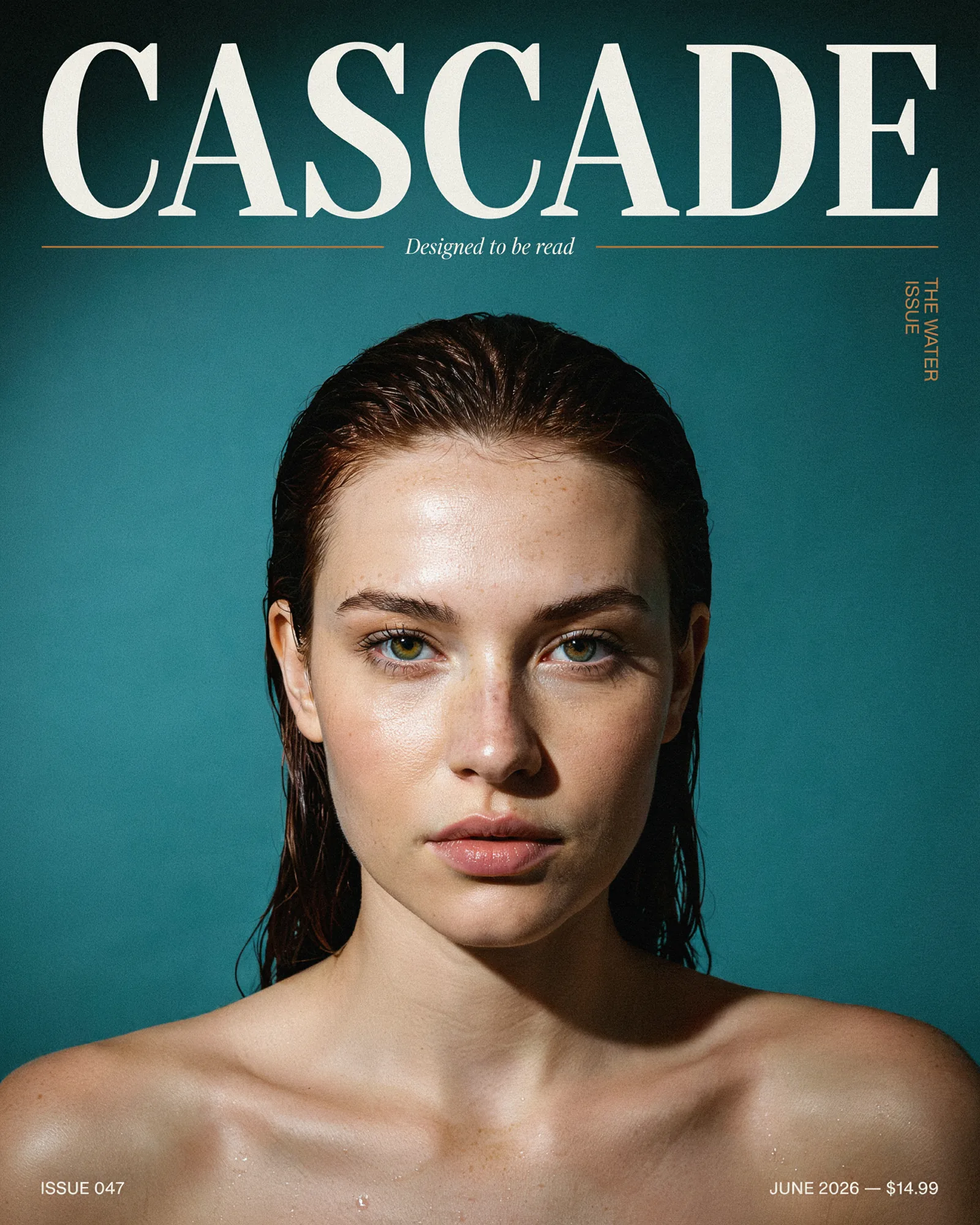
Same JSON layout schema, but this example uses bbox coordinates to place three text regions at different scales over a single photographic element. Cost $0.10 at QUALITY tier.
Community tooling for this format is forming fast. The most circulated helper is “Kijai’s JSON prompt builder” for ComfyUI, which lets operators draft layouts visually instead of typing integer bounding boxes by hand.
Undocumented prompting tricks from the first weeks after launch: double-quoted text renders cleaner than single quotes or unquoted. Specific typeface names (Cooper Black, Futura, Playfair Display) outperform category descriptions like “a bold sans-serif.” Color words like “deep navy blue” outperform hex codes in the prose fields, while hex codes work cleanly inside the color_palette array. Adding “professional typography” or “designed typography” to the style description pulls from a higher-quality slice of training data. Overlapping bounding boxes are honored as z-order with later elements rendering on top of earlier ones, which is how to place a logo over a photograph without using a separate mask layer.
Pricing Across Every Access Path
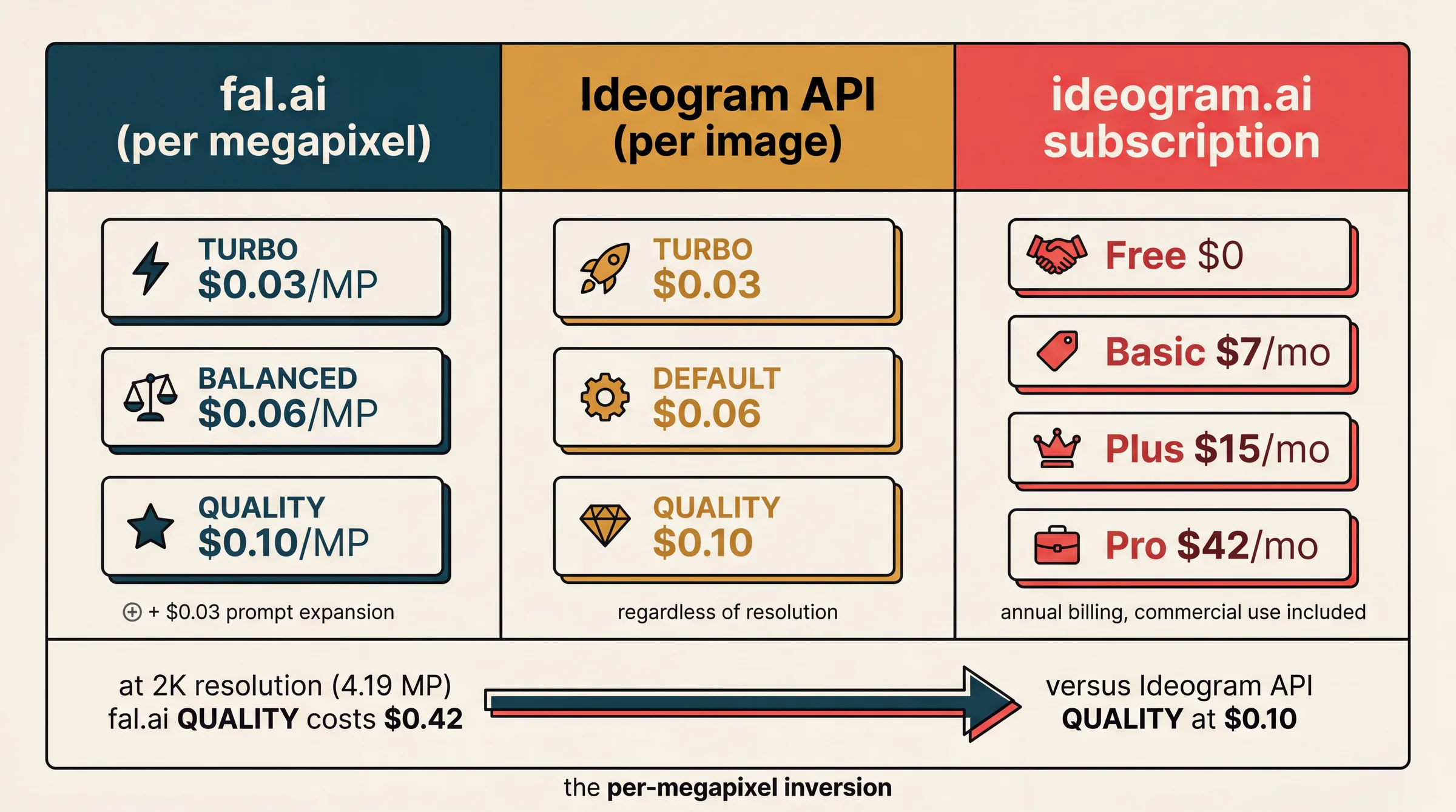
Ideogram v4 on fal.ai pricing is next: Billing per output megapixel is $0.03/MP in TURBO mode, $0.06/MP in BALANCED mode, and $0.10/MP in QUALITY mode, plus a flat $0.03 when prompt expansion is used. While official pricing and plans from official website you can find at https://ideogram.ai/pricing.
Two pricing models are worth understanding side by side because they invert the usual assumption that a hosted API is cheaper than going direct. fal.ai charges per output megapixel. A 2048 x 2048 image is 4.19 megapixels, so a QUALITY-mode 2K image on fal.ai is roughly $0.42. The Ideogram developer API charges per image regardless of resolution. At Quality tier the rate is $0.10 per image. For native 2K output, the direct API is over 4x cheaper than fal.ai. For 1024 x 1024 output (1.05 MP), the two are within rounding of each other at roughly $0.10 versus $0.105. The recommendation: route high-volume native-2K production through the direct Ideogram API, and use fal.ai when the workflow benefits from serverless scaling, megapixel-priced sub-2K output, or unified billing across multiple True Models.
Ideogram developer API rate card per image: 4.0 Turbo $0.03, 4.0 Default $0.06, 4.0 Quality $0.10. Production wrappers on the same surface: Topaz Upscale $0.12 (2K), $0.24 (4K), $0.48 (8K). Layerize $0.09. Generate with Gemini $0.20 (1K/2K), $0.36 (4K). Instructional Edit $0.20. Ideogram Upscale 2x $0.06. Describe $0.01. Self-Serve Custom Model Training $40 per run. Operators planning agency workflows that include upscale, layer extraction, or model fine-tuning need to budget for these endpoints separately.
Replicate hosts the same three tiers at the same per-image rates: ideogram-v4-turbo $0.03, ideogram-v4-balanced $0.06, ideogram-v4-quality $0.10. Replicate adds no margin on Ideogram inference.
ideogram.ai consumer subscription on annual billing: Free with 10 slow-queue generations per week and public output, Basic at $7 per month with 400 priority credits and 100 daily slow credits, Plus at $15 per month with 1,000 priority credits and unlimited slow, Pro at $42 per month with 3,500 priority credits and unlimited slow. Quality-mode generation costs 6 credits, so a Plus subscriber gets roughly 167 priority Quality-mode generations per month before falling to the slow queue. Credits expire monthly with no rollover. Commercial license is included on every paid tier.
The wider True Model image landscape for comparison: GPT Image 2.0 at $0.04 standard to $0.08 high-res per image. Nano Banana Pro at $0.134 per 2K image and $0.24 per 4K. Flux 2 Pro at $0.03 per megapixel on fal.ai. Seedream 4.0 at roughly $0.03 per image. Recraft V3 at $0.04 per image. Midjourney V8.1 on subscription only, entry plan around $10 per month. Ideogram 4.0 sits in the middle of the True Model pricing band and monopolizes the “best open-weight model with native 2K and JSON layout” slot.
Cloud Workflow: First Generation on fal.ai
The fastest path to a first image on Ideogram 4.0 runs through fal.ai’s serverless endpoint at fal-ai/ideogram/v4. Setup is roughly five minutes from a cold start. Create a fal.ai account at fal.ai, generate an API key from the dashboard, set it as an environment variable (export FAL_KEY="your_key_here"), and install the client library with pip install fal-client. A minimal first generation:
import fal_client

result = fal_client.subscribe(
    "fal-ai/ideogram/v4",
    arguments={
        "prompt": "Editorial poster, bold serif headline 'CASCADE', autumn forest backdrop, muted earth palette, 2k",
        "rendering_speed": "BALANCED",
        "image_size": "square_hd",
        "num_images": 1
    },
    with_logs=True
)
print(result["images"][0]["url"])
Required parameter: prompt. Optional parameters that matter: rendering_speed (TURBO, BALANCED, QUALITY; default BALANCED), image_size (preset like square_hd, landscape_16_9, or a custom {width, height} object), aspect_ratio (1:1, 16:9, 9:16, 4:3, 3:4, 3:2, 2:3, 21:9), style (AUTO, GENERAL, REALISTIC, DESIGN, RENDER_3D, ANIME), expand_prompt (turns on Magic Prompt, adds flat $0.03), seed, num_images (1-8), and json_layout for the structured schema described earlier.
Two API footguns deserve calling out. Sending both aspect_ratio and image_size returns a 400 error. Setting expand_prompt: true while also passing a json_layout object causes Magic Prompt to rewrite the carefully structured layout into plain text and silently destroy bounding-box control. Production workflows that use json_layout should set expand_prompt: false.
The cost-saving production workflow most operators land on is seed-stable iteration: rough four variants at TURBO ($0.13 each for 2K), capture the seed of the winner, then re-render the winner at QUALITY ($0.42 for the same 2K square). That cuts cost by roughly 3x versus rendering every variation at QUALITY from the start.
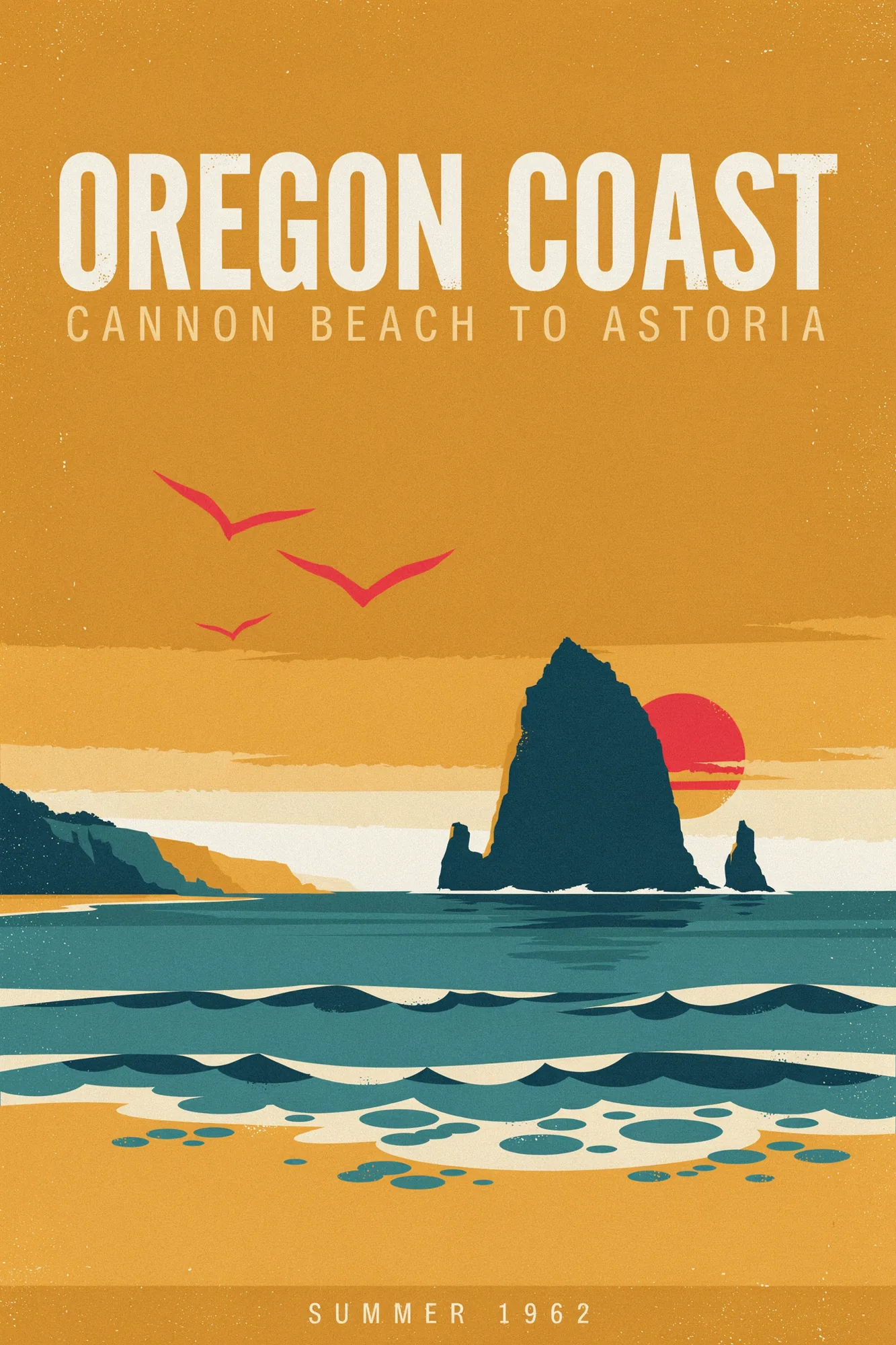
Generated through fal.ai’s fal-ai/ideogram/v4 endpoint at QUALITY tier, 1664x2496, total cost $0.10. The full JSON layout payload that produced this image is documented in the AVB image prompts spec.
Self-Host Workflow: ComfyUI v0.16
Self-host targets ComfyUI v0.16 or newer with the Comfy-Org repackaged weights. Step 1 is weight procurement. Navigate to huggingface.co/Comfy-Org/Ideogram-4, accept the gated license in a browser, then huggingface-cli login from the terminal. The bundle has four files. Place ideogram4_fp8_scaled.safetensors and ideogram4_unconditional_fp8_scaled.safetensors into ComfyUI/models/diffusion_models/. Place qwen3vl_8b_fp8_scaled.safetensors into ComfyUI/models/text_encoders/. Place flux2-vae.safetensors into ComfyUI/models/vae/.
Step 2 is the node graph. ComfyUI ships a built-in template at Workflow > Browse Templates > Image > Ideogram 4. The canonical chain has eight nodes. ResolutionSelector enforces the native 16-pixel increment rules. UNETLoader (Conditional) loads the primary fp8 diffusion model. UNETLoader (Unconditional) loads the unconditional companion. DualModelGuider blends the conditional and unconditional predictions for asymmetric classifier-free guidance; routing a standard CFG node here produces immediate failure or pure noise. CLIP Text Encode runs the JSON prompt payload through the Qwen3-VL-8B encoder. Ideogram4Scheduler configures the Euler flow-matching schedule at 20 total steps (18 denoising plus a 2-step polish tail per the official prompting docs). SamplerCustomAdvanced executes the denoising. VAEDecode renders the latents to pixels using the FLUX.2 KL autoencoder.
Step 3 is sanity-checking the first generation. The single most common self-host failure mode is the wrong VAE. Ideogram 4.0 requires the FLUX.2 KL autoencoder. The SDXL VAE, the FLUX.1 VAE, and the SD3 VAE all load without throwing an error and produce washed-out colors with broken typography that looks “almost right,” wasting hours of debugging. If your first output has muddy color or text that should be sharp but is not, swap the VAE before debugging anything else.
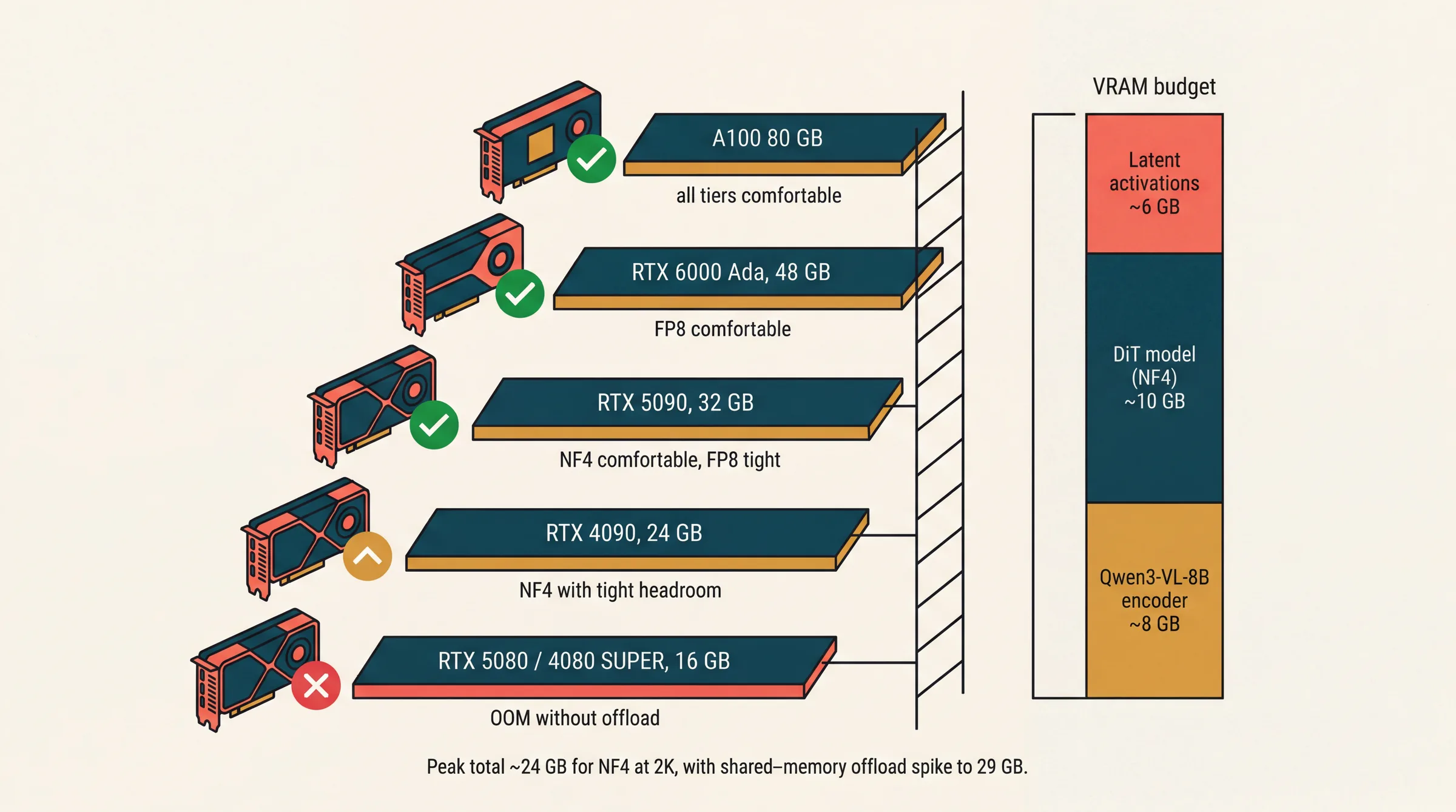
VRAM math, the part most early operators get wrong. The Qwen3-VL-8B text encoder adds roughly 8 GB of VRAM on top of the diffusion model. Community benchmarks show prompt encoding alone consuming up to 14 GB of dedicated VRAM, and peak memory during a 2K generation can spike to 29 GB, with 21 GB on dedicated GPU memory and 8 GB offloaded to shared system memory. The nf4 quantization runs on a 24 GB consumer GPU (RTX 3090, 4090, 5090) with tight headroom. The fp8 quantization needs a 32 GB card minimum and is comfortable on 48 GB workstation cards (RTX 6000 Ada, A100). Generation time for a 2K image on an RTX 4090 averages roughly 60 seconds; A100 80GB runs noticeably faster because it avoids the shared-memory offload.
The break-even question matters and the realistic framing depends on whether the operator already owns the hardware. If a 4090 or 5090 is already in the rig for gaming, video model self-host, or LLM inference, the marginal cost of an Ideogram 4.0 image is electricity (roughly $0.0004 per image at $0.15 per kilowatt-hour US blended), and self-host is the natural choice for personal projects and research where the NCMA permits use. If hardware needs to be purchased specifically for Ideogram, the math is poor for typical solo-designer volume (50 to 200 images per week) because hosted API plus subscription covers the workflow at a fraction of the workstation cost. And in all cases, any revenue use requires one of the three paid paths, so the self-host weights are the right tool for non-commercial work and the wrong tool for client deliverables.
Head-to-Head Benchmarks
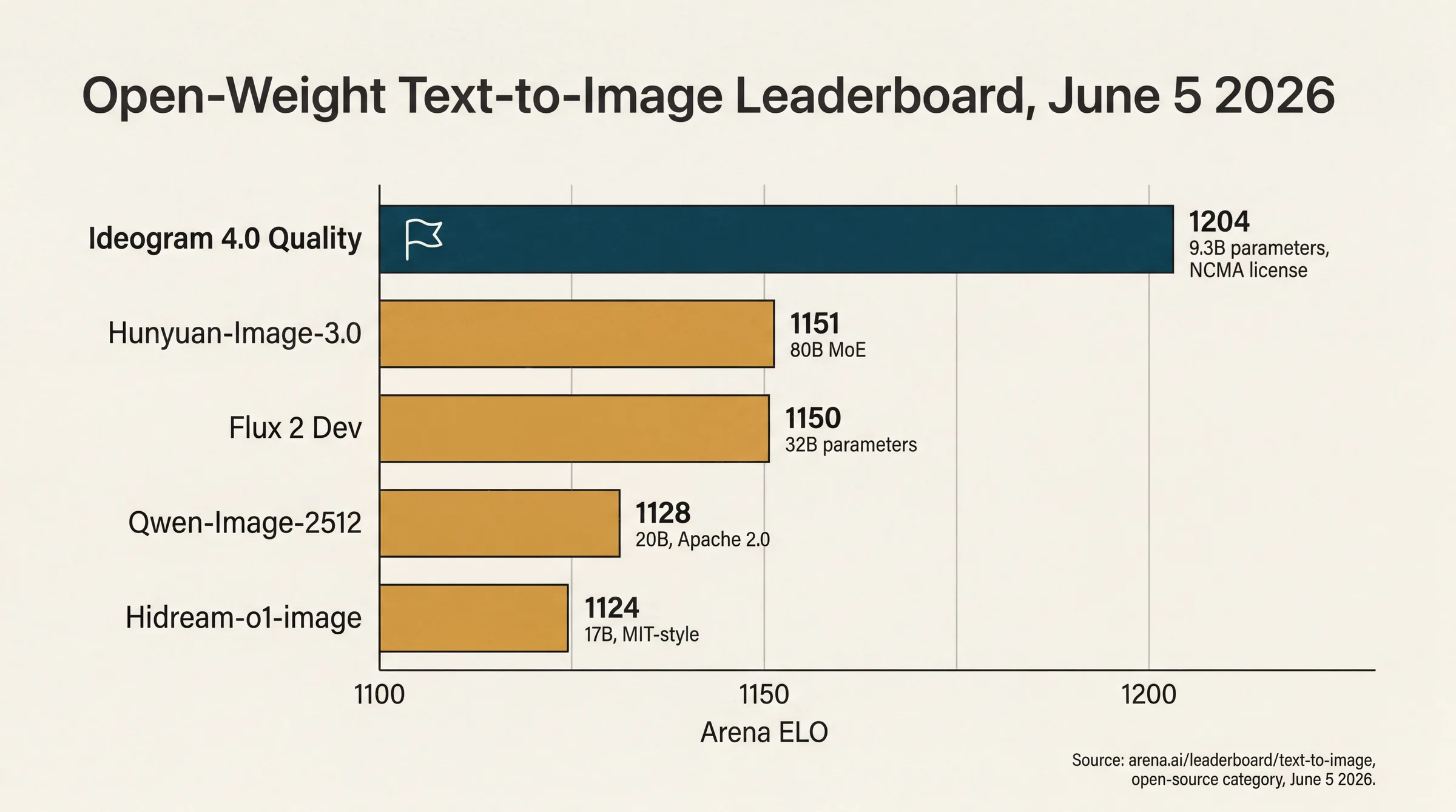
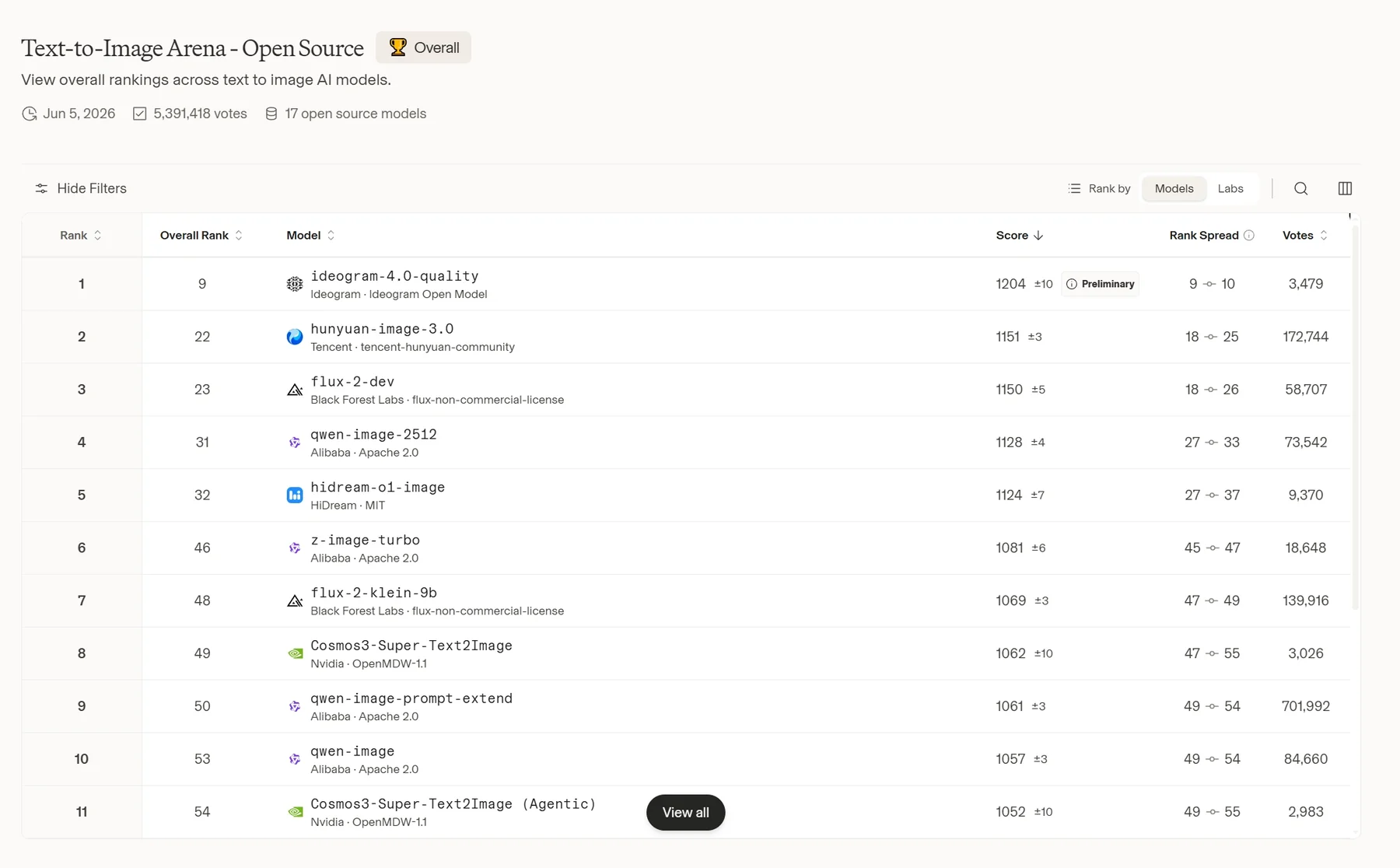
Live source: arena.ai/leaderboard/text-to-image?license=open-source, captured June 9, 2026. Rankings change as new votes come in; the AVB-internal infographic above renders the same data in editorial format.
The Arena.ai open-source text-to-image leaderboard captured June 5, 2026 ranks Ideogram 4.0 (ideogram-4.0-quality) first overall with an ELO of 1204 plus or minus 10 based on 3,479 blind votes. The peer band sits well behind: Hunyuan-Image-3.0 at 1151 plus or minus 3 (172,744 votes), Flux-2-dev at 1150 plus or minus 5 (58,707 votes), Qwen-Image-2512 at 1128 plus or minus 4 (73,542 votes), and Hidream-o1-image at 1124 plus or minus 7 (9,370 votes). On the combined Arena.ai leaderboard (open and closed models), Ideogram 4.0 secures 9th overall.
On the Design Arena leaderboard, which weights design-quality generation more heavily than instruction following, Ideogram 4.0 holds an ELO of 1285 with a roughly 115-point lead over the next open-weight model, placing it in the same performance band as Google’s proprietary Gemini 3.0 Pro and Gemini 3.1 Flash for design work.
The X-Omni English OCR benchmark for in-image text accuracy puts Ideogram 4.0 at 0.97, the highest score for any open-weight model at or below its parameter count. Qwen-Image 2.0 (20B parameters) scores roughly 0.88. Flux 2 Dev (32B) scores roughly 0.85. HunyuanImage 3.0 (80B MoE) is the largest open-weight peer and still loses to Ideogram on typography.
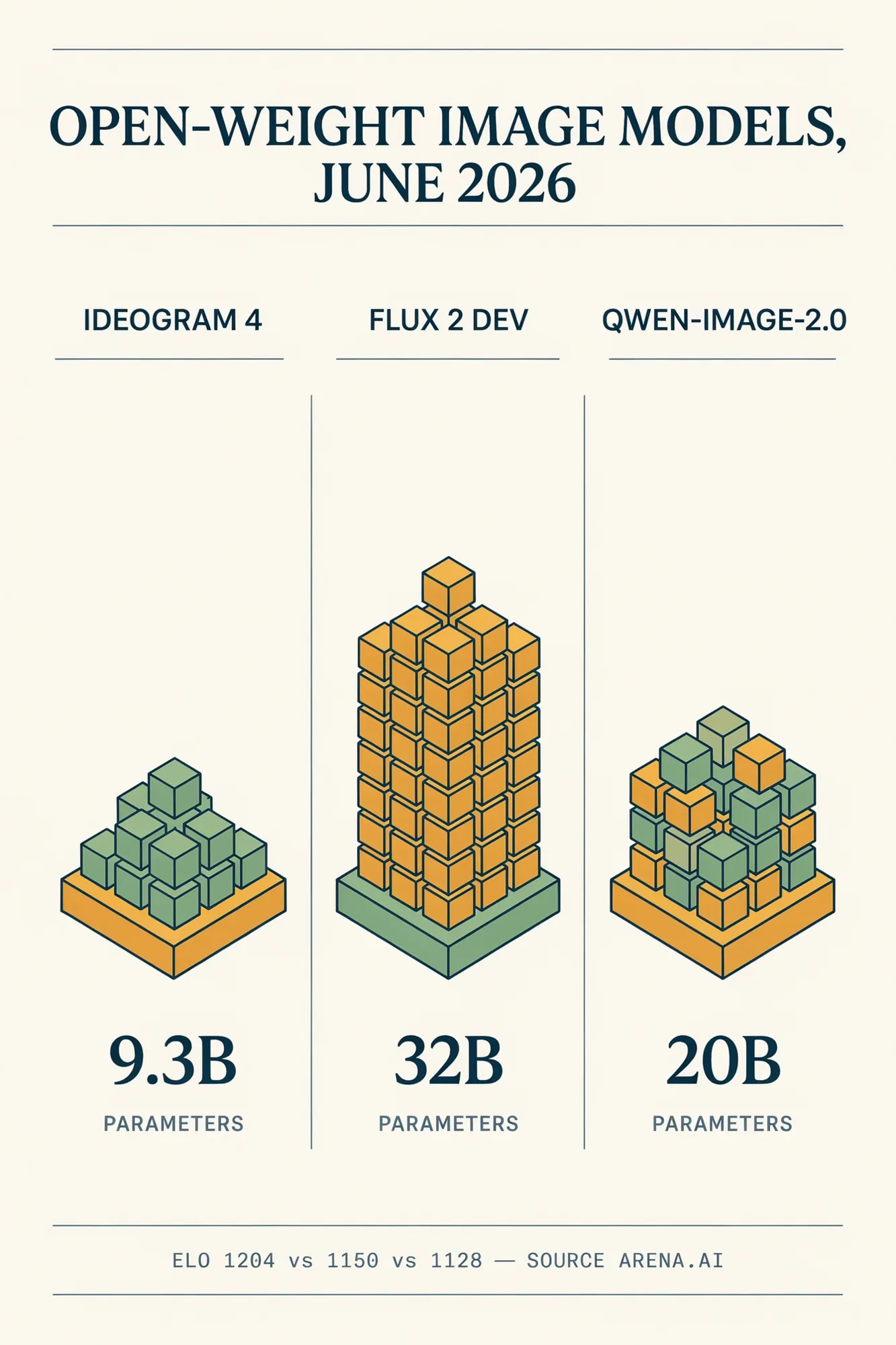
Generated by Ideogram 4.0 itself at 2560x1440 landscape, QUALITY tier, $0.10. The model self-documents the parameter comparison it leads.
Where Ideogram 4.0 wins: in-image text rendering at any prompt length, JSON-driven spatial layout control, design-grade typography, multi-line and multi-font layouts, multilingual scripts (32 supported through Qwen3-VL), Design Arena ranking, parameter-efficient performance (the smallest top-tier open-weight model), and cost at small format.
Where Ideogram 4.0 loses: native max resolution caps at 2K (Flux 2 Pro, Nano Banana Pro, GPT Image 2.0, and Seedream 4.0 all generate at 4K natively); multi-image reference blending (Nano Banana Pro accepts up to 14 inputs); conversational editing (GPT Image 2.0 and Nano Banana Pro expose chat-style edit loops; Ideogram is one-shot); raw photoreal portraits (Nano Banana Pro and Flux 2 Pro produce more convincing skin texture, hair detail, and micro-lighting in blind tests); strict copy fidelity for ad casing (Nano Banana Pro preserves exact casing of all-caps headlines and lowercase URLs more reliably). For high-end photorealism work, operators should route to GPT Image 2.0 or Nano Banana Pro and keep Ideogram in the workflow for any variant that needs a headline composited into the final frame.
Real-World Use Cases and Named Operators
In production environments, Ideogram 4.0 is treated as a specialized design engine rather than a general-purpose concept generator. The workloads where it wins production work in 2026:
Logo design and brand marks: cleanest single-word and short-tagline lockups of any True Model, kerning consistent across small and large sizes. Branded YouTube and podcast thumbnails: 60 to 80 percent first-pass usable rate when the prompt has hero copy, versus 20 to 30 percent for Flux 2 Dev at the same task. Signage, menus, and pricing boards: dollar signs, decimal points, and item-row alignment hold where GPT Image 2.0 routinely scrambles them; bilingual menus in Latin-script language pairs (English plus Spanish, English plus Polish with the caveat below on diacritics) render reliably. Ad creatives with hero copy: performance marketers run 50 to 200 static variants per campaign with Style Codes locking visual treatment across copy changes, which is the core requirement for valid creative testing. Magazine and editorial layouts: three text regions at different scales in the same composition is the case Ideogram 4.0 handles better than any peer. Social carousels and Instagram quote cards: multi-line text with consistent leading; operators report quote cards perform within 5 to 10 percent of human-designed cards in saves per impression. Infographics with simple labeled callouts: 4 to 8 labeled regions with upright readable labels.
Worked examples in each of these formats, all generated by Ideogram 4.0 at QUALITY tier for $0.10 each:
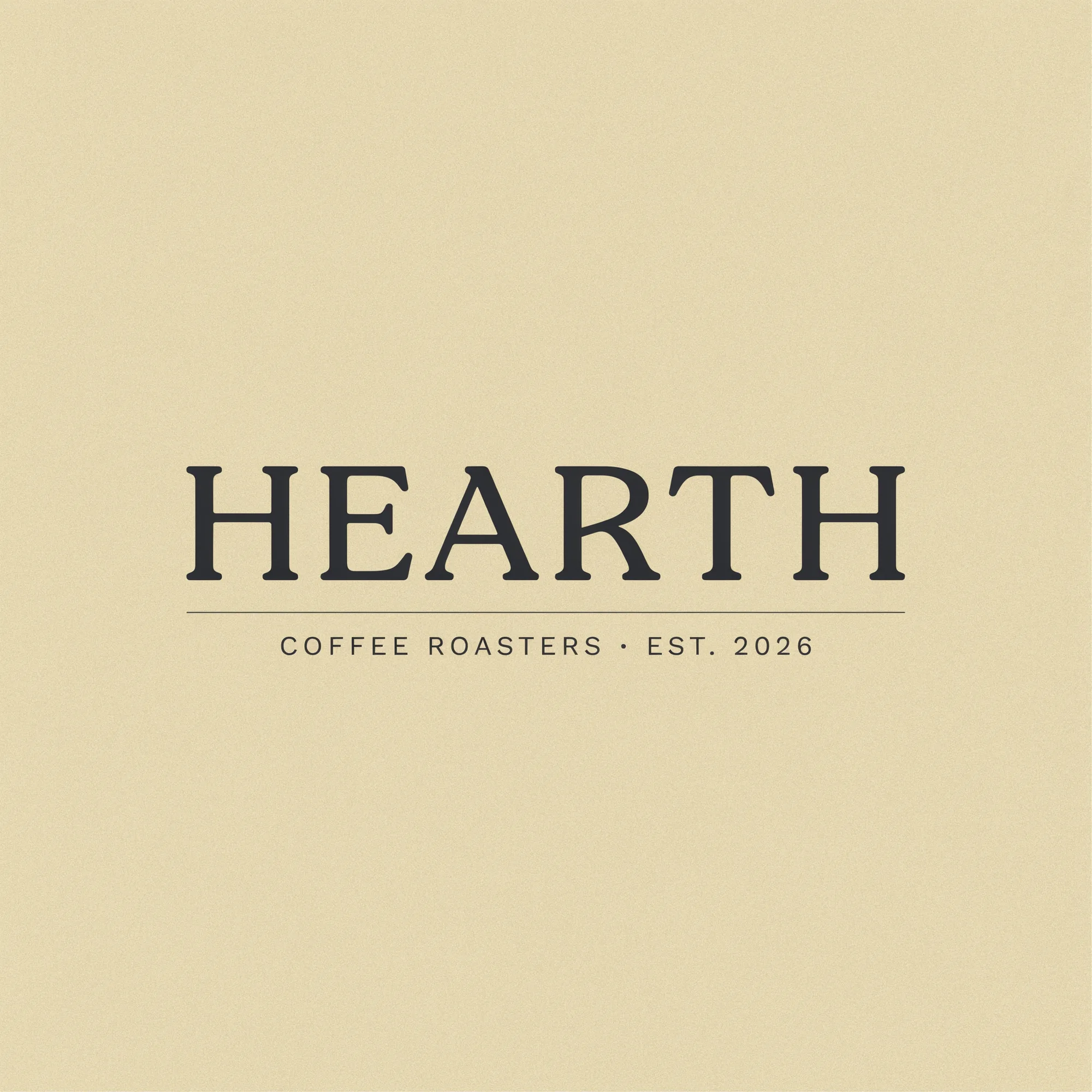
Logo wordmark example: clean letterforms at small sizes, consistent kerning, no glyph artifacts in the serif details.

Ad creative example: hero copy locked at fixed positions, brand badge holds, casing preserved exactly through the Magic Prompt translation.
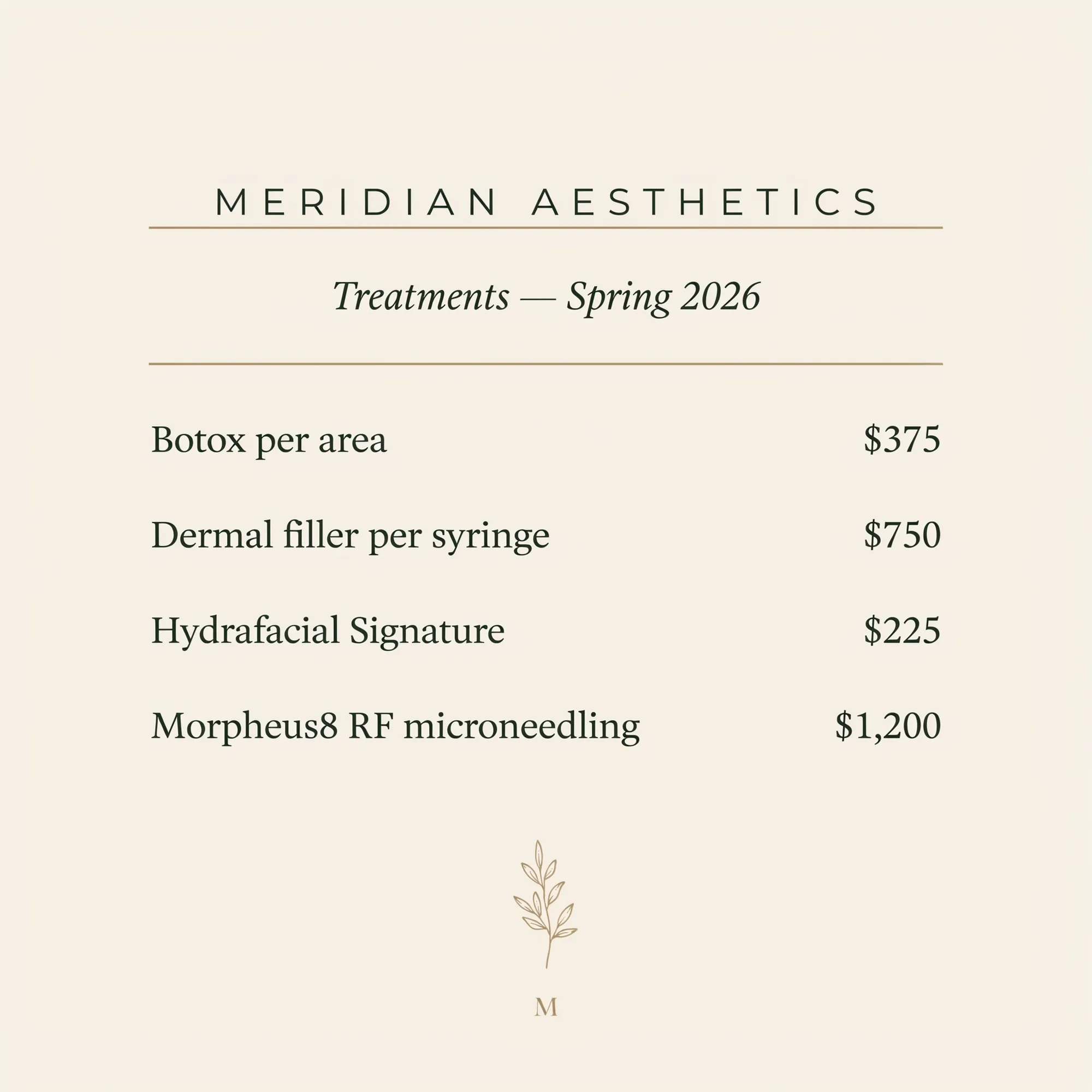
Signage and menu example: dollar signs aligned, decimal points hold, treatment names render cleanly at small body sizes. Cross-link to the AVB Medical Spa Marketing 2026 guide.
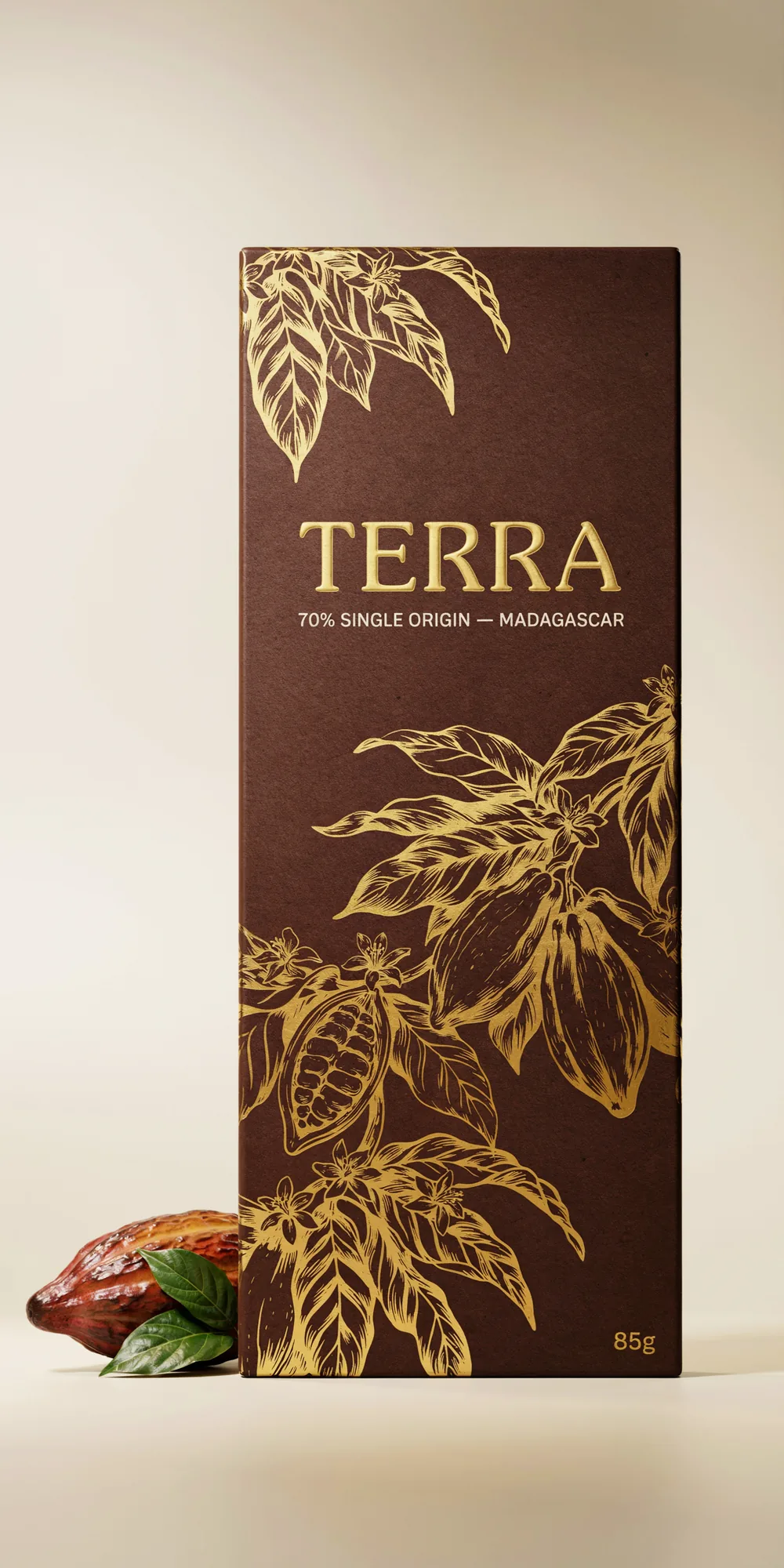
Brand-sensitive packaging example: gold foil effect renders cleanly, hierarchy holds across three font weights, debossed treatment carries through.
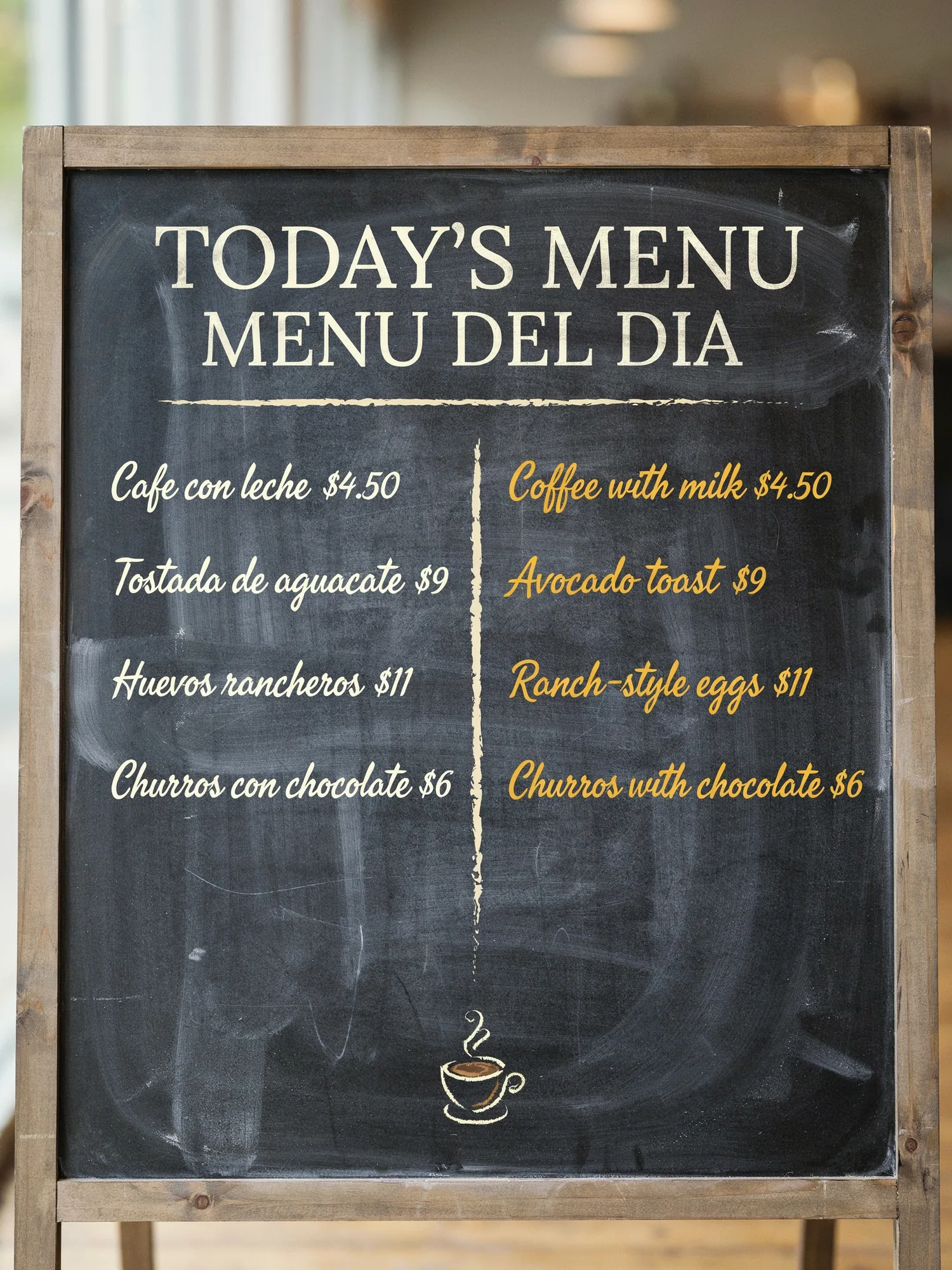
Bilingual signage example: Latin-script accents hold across two languages in the same image with no diacritic drops, dollar signs and decimals render cleanly in chalked typography on the chalkboard surface.
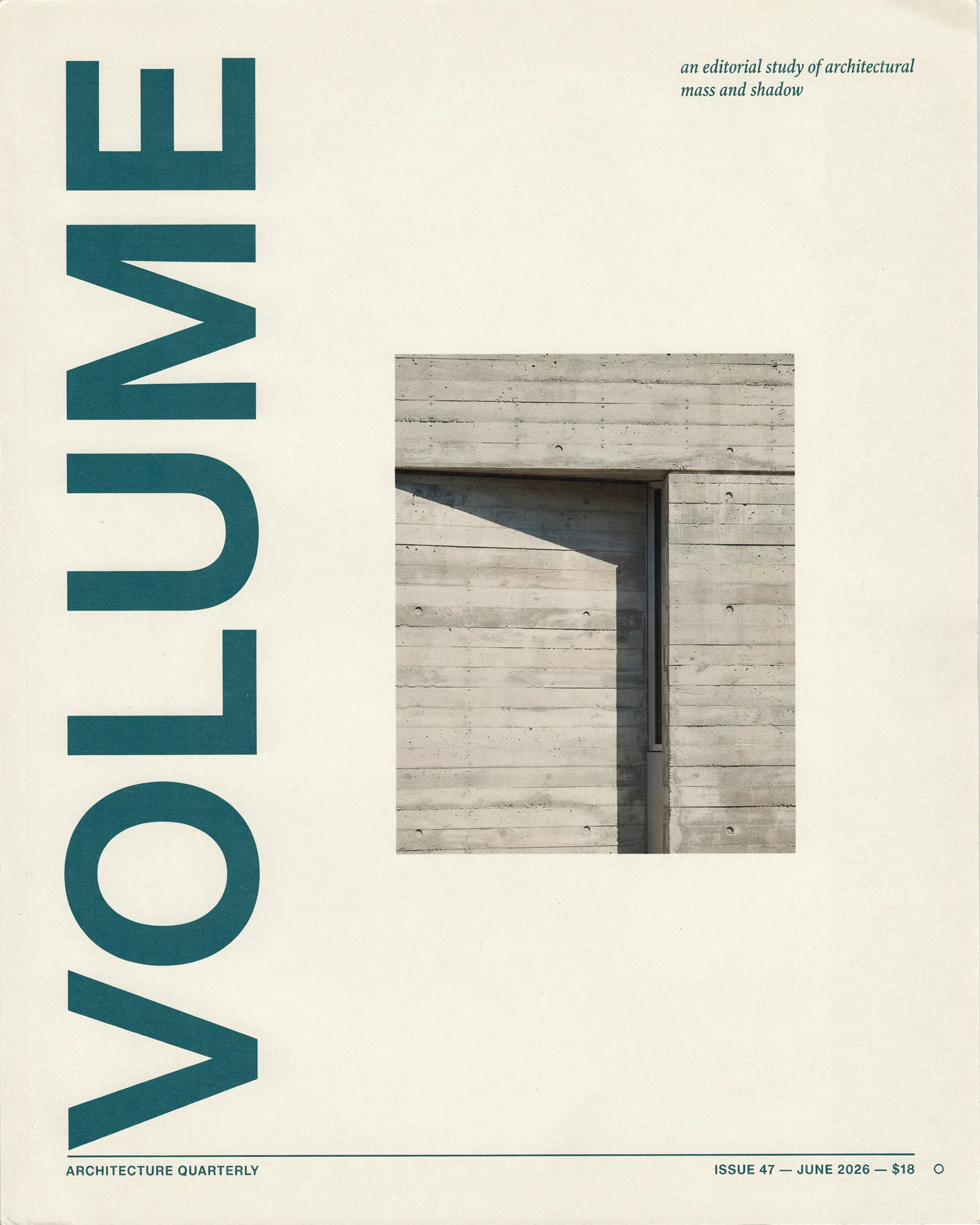
Multi-region magazine layout example: three text regions at three different scales coexist in the same composition without any single one losing crispness.
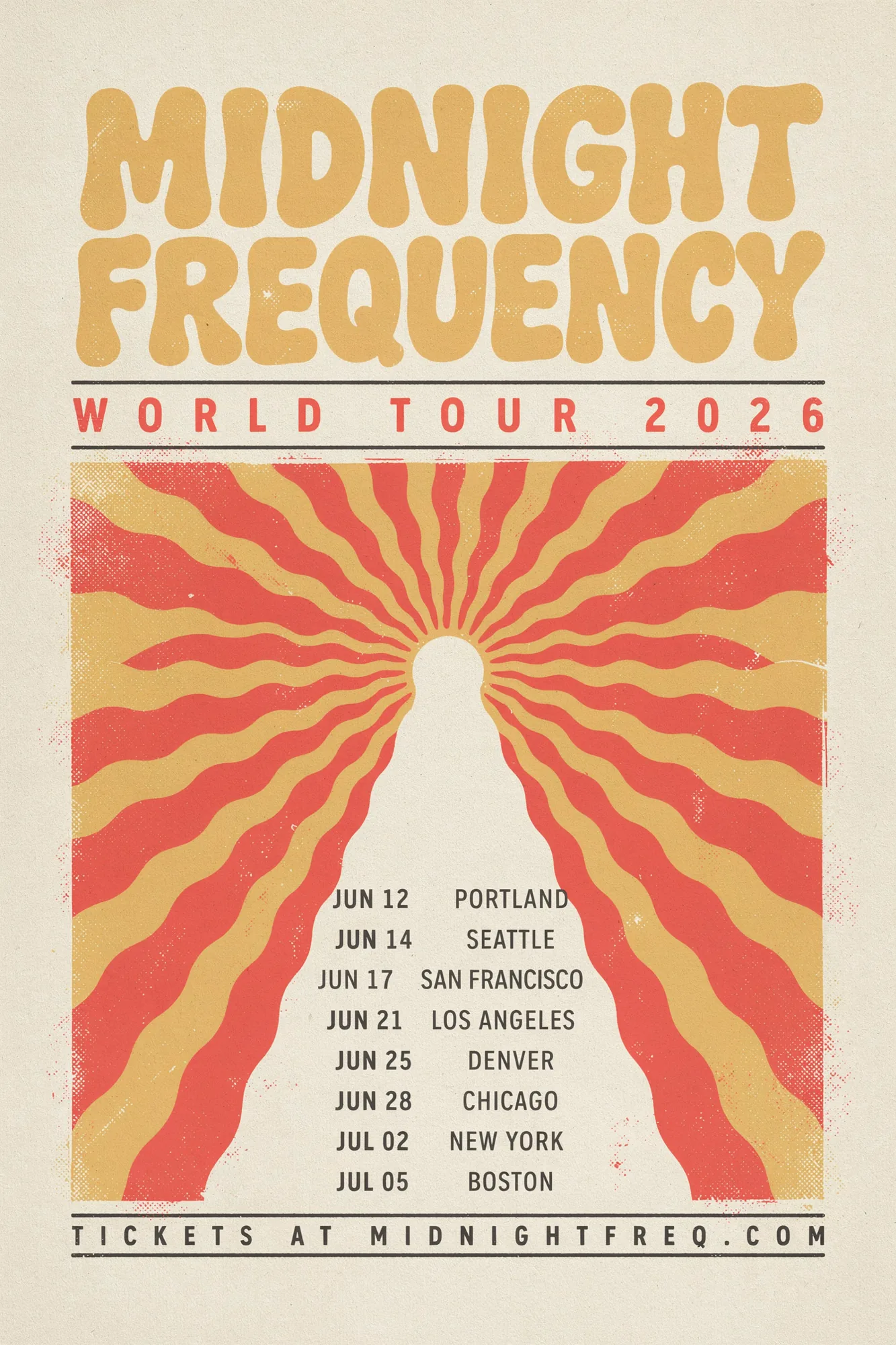
Dense multi-line stress test: eight separate tour dates render cleanly with consistent alignment and zero spelling drift across the city names. This is the case where Flux 2 Dev and Qwen-Image 2.0 fail on at least one line.
Each worked example above was generated for $0.10 on fal.ai’s fal-ai/ideogram/v4 endpoint at QUALITY tier. The total cost of producing all 10 receipts shown across this guide was $1.00.
Named operators using Ideogram 4.0 in production. Linus Ekenstam (@LinusEkenstam) has documented version-over-version Ideogram testing on X since 2.0 and concluded 4.0 still wins on “anything with more than five rendered words.” Heather Cooper (@HBCoop_), publisher of the Visually AI newsletter, was an early-access tester and publishes weekly Ideogram workflow breakdowns including client work like a 40-thumbnail batch produced for a podcast client. PJ Accetturo (@PJaccetturo) routes typography-heavy stills at 200 to 400 per week through Ideogram, then animates them in Kling or Veo for branded short-form video; he has publicly credited Ideogram as “the only model that can spell.” Ammaar Reshi (@ammaar), designer and Brex alum, has been an Ideogram evangelist since v1 and posted side-by-side comparisons favoring Ideogram for logo work specifically. Min Choi (@minchoi) curates compilation threads that serve as the community’s discovery layer for viral Ideogram 4.0 outputs.
Failure Modes Operators Report
Long body copy: anything over 25 to 30 rendered words degrades into plausible-looking gibberish, with word boundaries breaking down first. For full magazine pages or dense infographic labels, Ideogram is the wrong tool.
Multi-language typography: non-Latin scripts (Cyrillic, Arabic, CJK) render unreliably even though Qwen3-VL supports 32 scripts in principle. Diacritics in European languages drop or duplicate; Polish, Turkish, and Vietnamese accents are particularly fragile. Spanish and German with standard accents work most of the time.
Hand anatomy on photo-real subjects: Ideogram 4.0 trails GPT Image 2.0 and Flux 2 Pro on hands, especially in busy compositions where hands interact with rendered text. Six fingers and fused knuckles still appear.
Photo-real faces under stylized treatment: when the prompt mixes photorealistic portraiture with graphic-poster styling, Ideogram often produces a face that reads as uncanny or doll-like compared to Flux 2 Pro at the same prompt.
Long-form aspect ratios: 1500 x 500 banner sizes lose typographic crispness at the edges. Better workflow is to generate square then crop or extend with Magic Fill.
Style Code drift on very large batches: consistency holds for 20 to 30 image batches but starts to drift on 100 plus. Community workaround is to recapture the Style Code every 25 images and use the latest good output as the new seed anchor.
Hex code approximation in prose fields: the model interprets in-prompt hex codes approximately. Pantone-accurate brand work still needs a post-processing color correction pass. Hex codes inside the color_palette array work cleanly.
Aggressive safety filters: Ideogram’s open-weight repository integrates Hive’s text and visual moderation APIs into the inference code. Operators report perfectly legitimate commercial prompts (swimwear advertising, anatomical reference, high-detail portraiture) returning blank outputs or “image blocked” errors. The NCMA prohibits operators from fine-tuning around these filters.
EU AI Act Article 50 and California AB 853
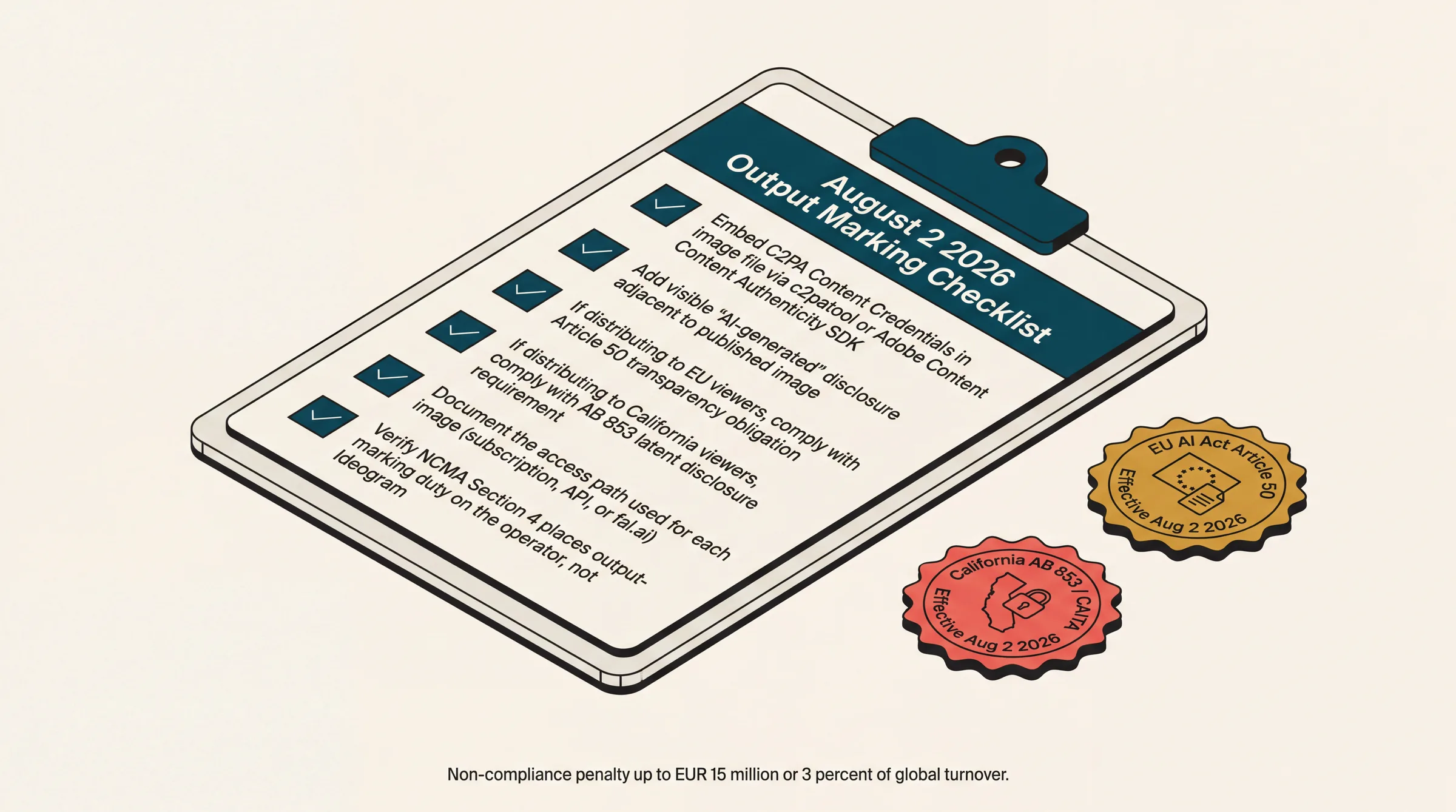
Two regulatory deadlines hit on August 2, 2026 and any operator distributing Ideogram 4.0 output needs to understand them before that date.
EU AI Act Article 50 requires providers of AI systems generating synthetic image, audio, or video to mark output in a machine-readable format identifying it as artificially generated, and requires deployers who generate deepfakes or publish AI-manipulated realistic content to clearly disclose the artificial generation to the public. C2PA Content Credentials are the recommended machine-readable format. Non-compliance penalty is up to 15 million euros or 3 percent of global annual turnover. The obligation applies to any business making content available within the EU, regardless of where the business is headquartered.
California AB 853 amended the California AI Transparency Act and pushed the operative date to August 2, 2026. Covered providers (GenAI systems with more than 1,000,000 monthly visitors or users publicly accessible in California, which likely includes the ideogram.ai consumer platform) must include latent disclosures in AI-generated image, video, or audio output, offer a manifest disclosure option, and make a free public AI-detection tool available. From January 1, 2027, GenAI hosting platforms cannot knowingly host a system without manifest-disclosure capability.
The operator-relevant detail buried in the NCMA: Section 4 explicitly delegates output-marking compliance to the operator. Ideogram has not published a C2PA-embedding-by-default statement for any of its access paths as of the launch window. fal.ai has not published one either. That means operators distributing Ideogram 4.0 output to EU or California viewers from August 2, 2026 should wire C2PA signing downstream via c2patool or the Adobe Content Authenticity SDK before publishing, regardless of which paid path they purchased. AVB’s compliance recommendation: add a visible “AI-generated” disclosure adjacent to the published image, and embed C2PA Content Credentials in the file itself.
The Cloud-Managed Path
For operators who want commercial-licensed Ideogram 4.0 output without managing API keys, weights, ComfyUI graphs, or compliance disclosure plumbing, the natural fit is a managed platform that handles routing, licensing, and downstream watermarking by default. For the rest of the pipeline there is a managed option. PromptWise, built by AI Video Bootcamp, carries Nano Banana Pro for multi-reference blending, GPT Image 2.0 for conversational editing, Flux.2 Pro for photoreal and Seedream 5.0 Pro, with the credit cost shown before you generate and plans from $19 a month. PromptWise focuses on the current-generation Nano Banana, GPT Image, Flux and Seedream lines, so pair it with fal.ai or Replicate whenever your pipeline also needs Ideogram-style typography. We built PromptWise, so read that as disclosure.
FAQ
What is Ideogram 4.0? Ideogram 4.0 is the first frontier-grade open-weight text-to-image foundation model from Ideogram AI, released June 3, 2026. It is a 9.3 billion parameter single-stream Diffusion Transformer with a Qwen3-VL-8B-Instruct text encoder, native 2048-pixel resolution, JSON layout control, and ranks first on the Design Arena open-weight leaderboard with a 0.97 X-Omni English OCR score for in-image text accuracy.
Is Ideogram 4 free? A Free tier on ideogram.ai gives 10 slow-queue generations per week with public output. Paid tiers start at $7 per month on annual billing (Basic) and include commercial license rights. The open-weight Hugging Face weights are free to download for non-commercial research and personal use only; any revenue-generating use requires a paid commercial path.
Is Ideogram 4 open source? Not strictly. The inference code at github.com/ideogram-oss/ideogram4 is Apache 2.0, which is genuinely open source. The model weights at huggingface.co/ideogram-ai/ideogram-4-nf4 are under the Ideogram Non-Commercial Model Agreement, which permits no revenue-generating use at any scale. The release is open-weight (downloadable for research) but not open source for commercial purposes.
How do I use Ideogram 4? Three paths. The ideogram.ai web app handles zero-code generation in under a minute after sign-up. fal.ai or the Ideogram developer API handles code-integrated workflows for $0.03 to $0.10 per image, with a five to fifteen minute setup. Self-host via ComfyUI v0.16 with the Comfy-Org packaged weights requires a 24 GB GPU and 45 to 120 minutes for first generation, and is permitted for non-commercial use only.
What is Ideogram 4 used for? Logo design, branded thumbnails, magazine layouts, social media ads with hero copy, signage and menus, infographics with labeled callouts, and any image where rendered in-canvas text is the dominant element. Operators specifically cite Ideogram 4.0’s typography fidelity for thumbnails, Style Codes for batch ad creative consistency, and bilingual menu rendering with Latin-script accents.
How do I download Ideogram 4 weights? From huggingface.co/ideogram-ai/ideogram-4-nf4 (4-bit NF4 quantization, CUDA only, single 24 GB GPU) or huggingface.co/ideogram-ai/ideogram-4-fp8 (8-bit FP8, all hardware). Accept the gated license on the Hugging Face page first. For ComfyUI, use huggingface.co/Comfy-Org/Ideogram-4 with the four files placed into diffusion_models, text_encoders, and vae folders.
Is Ideogram 4 commercial use allowed? The downloaded weights are non-commercial only under the Ideogram Non-Commercial Model Agreement, with no revenue threshold and no small-business exemption. Three commercial paths cover revenue use: ideogram.ai subscription, the Ideogram developer API, or fal.ai’s hosted endpoint. None of those paths publish IP indemnification flowing to the customer; bespoke indemnity must be negotiated into an Ideogram commercial license.
What is the difference between Ideogram 3 and Ideogram 4? Ideogram 4.0 is a from-scratch architecture (single-stream Diffusion Transformer with Qwen3-VL-8B text encoder versus V3’s closed diffusion stack), generates at native 2K versus V3’s 1K, exposes a JSON layout schema with bounding-box coordinates and hex color palettes, and ships with public open weights for the first time. V3 remains available via the API for legacy pipelines.
Which is the best open source text-to-image model? As of June 2026, Ideogram 4.0 leads the Design Arena open-weight leaderboard with an ELO of 1285 and ranks first on Arena.ai text-to-image open source with an ELO of 1204 plus or minus 10. For permissively-licensed open weights with no commercial restriction, Qwen-Image 2.0 (Apache 2.0) is the closest competitor among True Models.
Is FLUX better than Ideogram? Flux 2 Pro wins on native 4K resolution, raw photoreal portraits, fine-art aesthetic range, and ad-casing fidelity. Ideogram 4.0 wins on in-image text rendering (0.97 versus roughly 0.85 X-Omni), JSON layout control, design-grade typography, and Design Arena ranking. Most professional workflows use both: Flux for the hero shot, Ideogram for any variant that needs a headline composited in.
What GPU do I need to run Ideogram 4.0 locally? A 24 GB consumer GPU (RTX 3090, 4090, 5090) for the NF4 quantization. The Qwen3-VL-8B encoder adds roughly 8 GB on top of the diffusion model; community benchmarks show prompt encoding consuming up to 14 GB of dedicated VRAM and peak generation reaching 29 GB with shared-memory offload. The FP8 quantization needs 32 GB minimum and is comfortable on 48 GB workstation cards.
Can I use Ideogram 4 commercially? Through the ideogram.ai subscription, the Ideogram developer API, or the fal.ai hosted endpoint, yes. The downloaded open-weight Hugging Face files are non-commercial only under the Ideogram Non-Commercial Model Agreement, with no revenue threshold and no small-business exemption. Any monetized use of the self-hosted weights requires a separately negotiated paid commercial license from Ideogram AI.
Verdict
Ideogram 4.0 is the strongest open-weight text-to-image model on the market as of mid-2026, and the only viable choice for operators who care about in-image typography and need to self-host. The architectural credibility (Imagen founders, DDPM first author, Qwen3-VL-8B encoder, single-stream DiT) is real, the Design Arena and Arena.ai leaderboard placements are real, and the JSON layout format closes a category gap that no other True Model has matched.
The catch is the license. There is no revenue threshold in the Ideogram Non-Commercial Model Agreement, no small-business carve-out, and no published IP indemnification flowing to operators on any of the three commercial paths. For research, personal projects, and operators who already own a 24 GB GPU, the self-hosted weights are the right tool. For any client deliverable, ad creative, or revenue use of any kind, route through ideogram.ai, the Ideogram developer API, or fal.ai, and negotiate bespoke indemnity into a paid commercial license before sensitive client work.
For operators building image-generation workflows in 2026, the practical recommendation is a two-model or three-model stack: Ideogram 4.0 for typography and design, Flux 2 Pro or GPT Image 2.0 for photoreal hero shots, and Nano Banana Pro for multi-image reference blending. Pair the stack with C2PA signing for EU AI Act Article 50 and California AB 853 compliance before the August 2, 2026 deadlines.
For deeper reading on adjacent True Models in the AVB image stack, see the ChatGPT Images 2.0 review, the Grok Imagine launch guide, and the A-